Will A 2 Day Tolerance Break Do Anything? Understanding Tolerance

Will A 2 Day Tolerance Break Do Anything? Learn how short breaks affect THC tolerance, reset sensitivity, and whether two days is enough for real results.


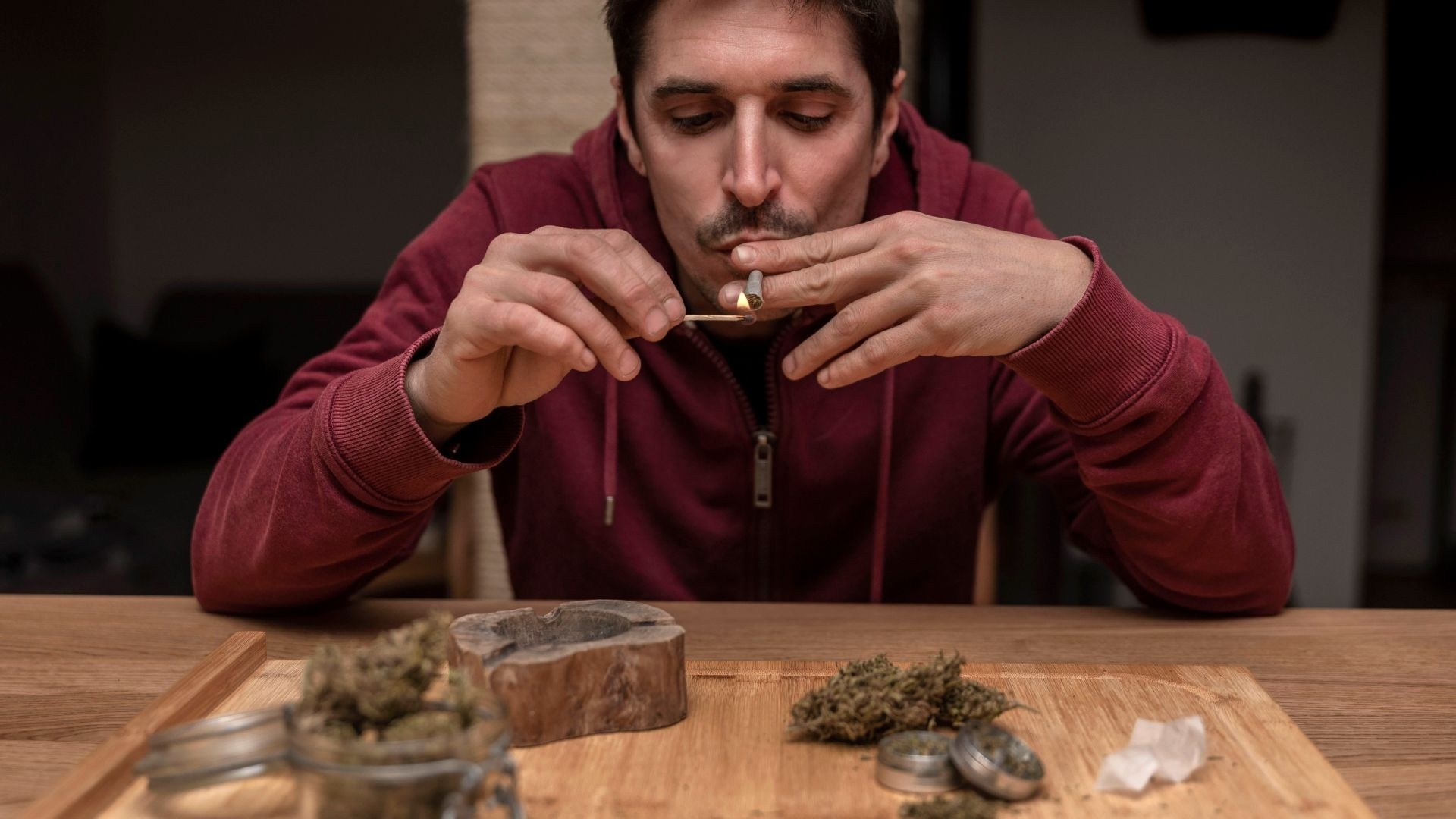
When you use cannabis regularly, your body can build up a tolerance, meaning you need more to feel the same effects. A tolerance break, or T-break, is when you pause use to let your body and mind reset. Some people consider short breaks, just a couple of days, for curiosity, to lower intake, or as a quick reset. Many ask, Will A 2 Day Tolerance Break Do Anything? The answer depends on your usage patterns and goals.
At The Forge Recovery Center, we understand these concerns and support healthier choices. In this article, we will explore how tolerance works, what a short break can do, and when longer support may be needed.
Understanding Tolerance: How the Body Adapts

Tolerance develops when your body and brain adjust to repeated exposure to a substance, meaning more is needed to achieve the same effect. Here’s how it works and why it matters:
1. The brain’s response to repeated exposure
When you use substances like cannabis, alcohol, or medications regularly, your brain’s receptors adapt. Over time, the same amount no longer produces the same effect. This process is called downregulation, where the brain reduces sensitivity to repeated stimulation.
2. The body’s physical adjustment
Beyond the brain, your body also adapts. Regular exposure to a substance can change how your liver processes it, making it leave your system more quickly. As a result, you may feel less of the effects even if the dose is the same.
3. Tolerance vs. dependence
Tolerance means you need more to feel the same results. Dependence means your body has adapted so strongly that it experiences withdrawal symptoms without the substance. Tolerance can exist without dependence, but prolonged use often increases the risk of developing both.
4. Tolerance vs. addiction
Addiction is different from tolerance. Addiction involves compulsive use despite harmful consequences, while tolerance simply refers to reduced sensitivity. A person may develop tolerance without being addicted, but addiction often involves tolerance as one of its features.
5. Physical and psychological aspects
Tolerance is not only physical. Your mind can also adapt by associating certain environments, routines, or emotions with substance use. This psychological tolerance makes the experience feel weaker unless the familiar context is present.
Understanding tolerance helps you recognize why short breaks may or may not make a difference. Awareness is the first step toward making healthier, more informed decisions.
What a 2-Day Tolerance Break Can and Can’t Do?

A two-day break can feel like a quick reset, but its impact depends on the substance, your body, and your usage habits. Here are the key things to know:
1. Minor changes in sensitivity
For some, even 48 hours away from cannabis, alcohol, or other substances can slightly lower tolerance. You may notice effects feel a bit stronger than before, but the change is usually small and temporary.
2. Possible reduction in cravings
Short breaks can give your body and mind a brief pause, sometimes reducing cravings. This can be encouraging if you are testing your ability to go without, even for a short window.
3. Why 48 hours is often not enough
Most substances require more than two days for brain receptors and body systems to reset. Cannabis, for example, may take several weeks for tolerance levels to drop significantly, while alcohol or opioids involve different recovery timelines.
4. Influence of usage levels
If you use it lightly and infrequently, a two-day break might feel more noticeable. For heavy or daily users, the break is unlikely to make a lasting difference. Your system may need longer periods to fully recalibrate.
5. The role of metabolism
Everyone’s body processes substances differently. Factors like age, overall health, and metabolism speed influence how much benefit a two-day break may provide. What feels effective for one person may not work for another.
A 2-day tolerance break can offer a small reset, but it is rarely enough for a full adjustment. Longer breaks are more effective if your goal is meaningful change.
Are You Struggling with Mental Health or Addiction?
We Can Help. Call Us Now!
CALL: 877-839-1772
Factors That Influence Tolerance Reset
Not everyone experiences tolerance in the same way. How quickly your body resets depends on several personal and substance-related factors.
1. Frequency of use
The more often you use a substance, the harder it is for your body to reset quickly. Daily use typically requires longer breaks, while occasional use may allow for faster recovery of sensitivity.
2. Quantity consumed
Large amounts place more strain on your system. Someone who consumes high doses of cannabis, alcohol, or medications regularly will likely need more time for tolerance levels to drop compared to lighter users.
3. Type of substance
Tolerance does not build at the same rate across substances. Cannabis tolerance is mainly related to receptor activity in the brain, alcohol tolerance can involve changes in liver function, and opioids affect pain receptors and withdrawal systems. Prescription stimulants and medications each have unique tolerance patterns, which shape how long it takes for the body to reset.
4. Age and health
Younger people with faster metabolisms may reset more quickly, while older adults or those with underlying health conditions often take longer. General wellness, including liver and kidney health, plays an important role in how your system adapts.
5. Brain chemistry
Each person’s brain chemistry is unique, which means tolerance changes can vary greatly. Genetics, mental health conditions, and even stress levels can all influence how quickly or slowly your brain adjusts after a break.
Understanding these factors helps set realistic expectations for what a short tolerance break can achieve. Recognizing your personal situation is the first step in making informed decisions.
When a Short Break Might Help
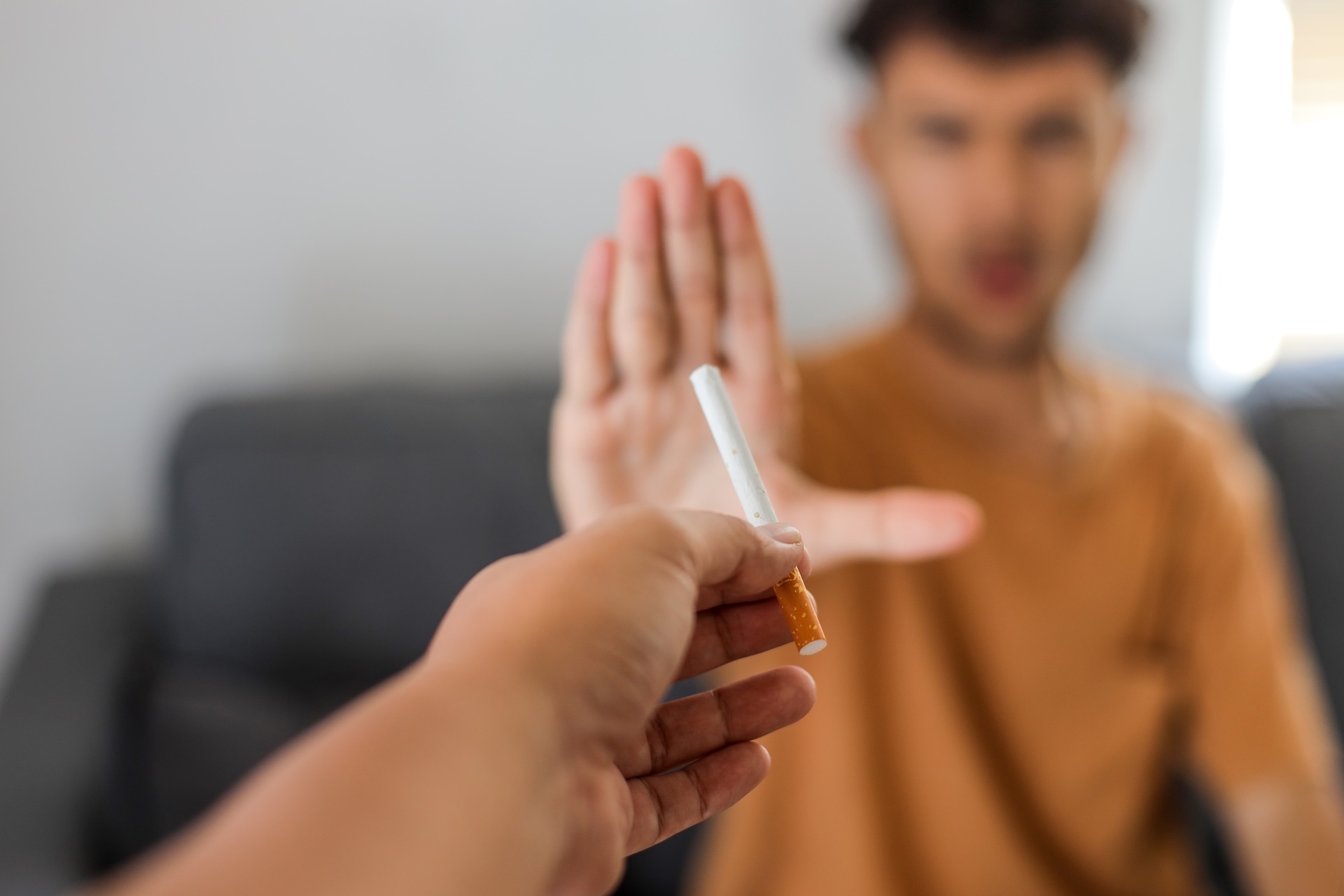
Even if two days are not long enough for a full reset, short breaks can still serve a purpose depending on your situation and goals.
1. For people with mild or occasional use
If you use cannabis, alcohol, or other substances occasionally, even a two-day pause can feel noticeable. It may help restore some sensitivity, reduce cravings, or simply show that you can go without for a short time.
2. As a starting point for longer breaks
A two-day break can be a first step toward a more meaningful tolerance reset. Short pauses help build confidence and prepare you for longer breaks by giving your body and mind a chance to adjust gradually.
3. Supporting harm-reduction goals
Short breaks can also work well alongside harm-reduction strategies. For example, you might pair a 2-day pause with lowering your overall intake, choosing less potent forms, or setting limits around when and where you use. These small adjustments can add up over time.
4. Psychological reassurance
Sometimes, the biggest benefit of a short break is mental. Proving to yourself that you can step back, even briefly, reduces fear of dependence and builds a sense of control over your habits.
5. Encouraging healthier patterns
Small breaks can be the spark that shifts routines. Taking a step back, even briefly, creates space for healthier activities like exercise, sleep, or mindfulness, which support long-term well-being.
While a short break is not a complete solution, it can still provide value. Think of it as a stepping stone toward better balance and healthier choices.
Are You Struggling with Mental Health or Addiction?
We Can Help. Call Us Now!
CALL: 877-839-1772
When a Longer Break or Professional Support Is Needed
Short breaks may help some people, but there are situations where a longer pause or professional support is the safest and most effective choice.
1. Signs of dependence or addiction
If you find yourself needing larger amounts just to feel normal, or if cutting back causes distress, your tolerance may be tied to dependence. Cravings, compulsive use, and struggling to stop even when you want to are red flags.
2. Withdrawal symptoms after short breaks
For some substances, even a two-day pause can trigger uncomfortable withdrawal symptoms such as irritability, sleep problems, anxiety, or nausea. These symptoms indicate that your body has become reliant on the substance, making longer breaks more challenging without help.
3. Increased risks with certain substances
Opioids, alcohol, and prescription medications often involve higher risks when tolerance and dependence overlap. Attempting to quit or even reduce use without guidance may lead to dangerous withdrawal effects that require medical oversight.
4. The role of professional assessment
If you are unsure whether your tolerance is normal or a sign of something more serious, a professional assessment can help. Trained specialists can evaluate your situation, provide clarity, and recommend the safest next steps.
5. How The Forge Recovery Center can help
At The Forge Recovery Center, we provide compassionate support for people navigating tolerance, dependence, and addiction. Our team offers personalized treatment plans, safe detox options, and long-term recovery resources to help you regain control of your life.
If a short break is not enough, reaching out for professional guidance is a strong and important step forward. You do not need to go through it alone.
Moving Beyond a Tolerance Break: Building Lasting Change
A short break can be useful, but lasting change comes from going beyond quick resets and focusing on healthier, sustainable strategies.
1. Looking past quick fixes
A two-day tolerance break may give temporary relief, but it is not a long-term solution. Building lasting change means addressing the reasons behind substance use rather than relying on short pauses.
2. The role of therapy
Therapy provides tools to understand triggers, manage cravings, and address underlying emotional or mental health struggles. Cognitive-behavioral therapy (CBT) and other approaches help people create healthier coping mechanisms that reduce reliance on substances.
3. Lifestyle changes for recovery
Exercise, balanced nutrition, and sleep are all powerful supports for lowering tolerance and promoting healing. Simple changes, like replacing evening use with a calming routine or setting personal limits, can strengthen resilience and improve overall well-being.
4. Structured recovery programs
Professional programs provide structure, accountability, and expert guidance. Whether it is outpatient support or residential care, these programs help individuals not only lower tolerance but also rebuild healthier lives with tailored recovery plans.
5. Support networks
Friends, family, and recovery groups play a vital role in creating lasting change. Having people who encourage progress, celebrate milestones, and provide accountability makes recovery more achievable and less isolating.
While a tolerance break might offer a starting point, true change happens when you commit to deeper strategies. Long-term healing comes from consistent effort, professional guidance, and strong support.
Are You Struggling with Mental Health or Addiction?
We Can Help. Call Us Now!
CALL: 877-839-1772
Taking the Next Step Toward a Healthier Relationship with Substances
While a short break may offer small changes, it often is not enough for lasting results. True progress begins with honest self-reflection and recognizing when tolerance has become dependence. If you are questioning your relationship with substances, The Forge Recovery Center is here to help. Our team provides compassionate, confidential guidance and personalized programs to support long-term recovery. You do not have to face this alone.
Reach out today to The Forge Recovery Center and take the first step toward balance, healing, and a healthier future.
Are You Struggling with Mental Health or Addiction?
We Can Help. Call Us Now!
CALL: 877-839-1772