What Is Zaza? Synthetic Drug Accessible & Addictive


What is Zaza? Learn about this synthetic drug, its addictive risks, and why professional treatment is essential for safe recovery and long-term health.


Sold under names like “Zaza” or “Tianeptine,” this synthetic drug is increasingly found in gas stations, convenience stores, and online shops. Its wide availability often gives the false impression that it is safe, but the reality is far more dangerous. Many people ask, What is Zaza? and Why is it so addictive? The answer reveals a troubling trend in synthetic drug use that puts people at serious risk.
At The Forge Recovery Center, we provide the care and guidance you need to overcome these risks. In this article, we will explain what Zaza is and why it’s so harmful.
What Is Zaza?
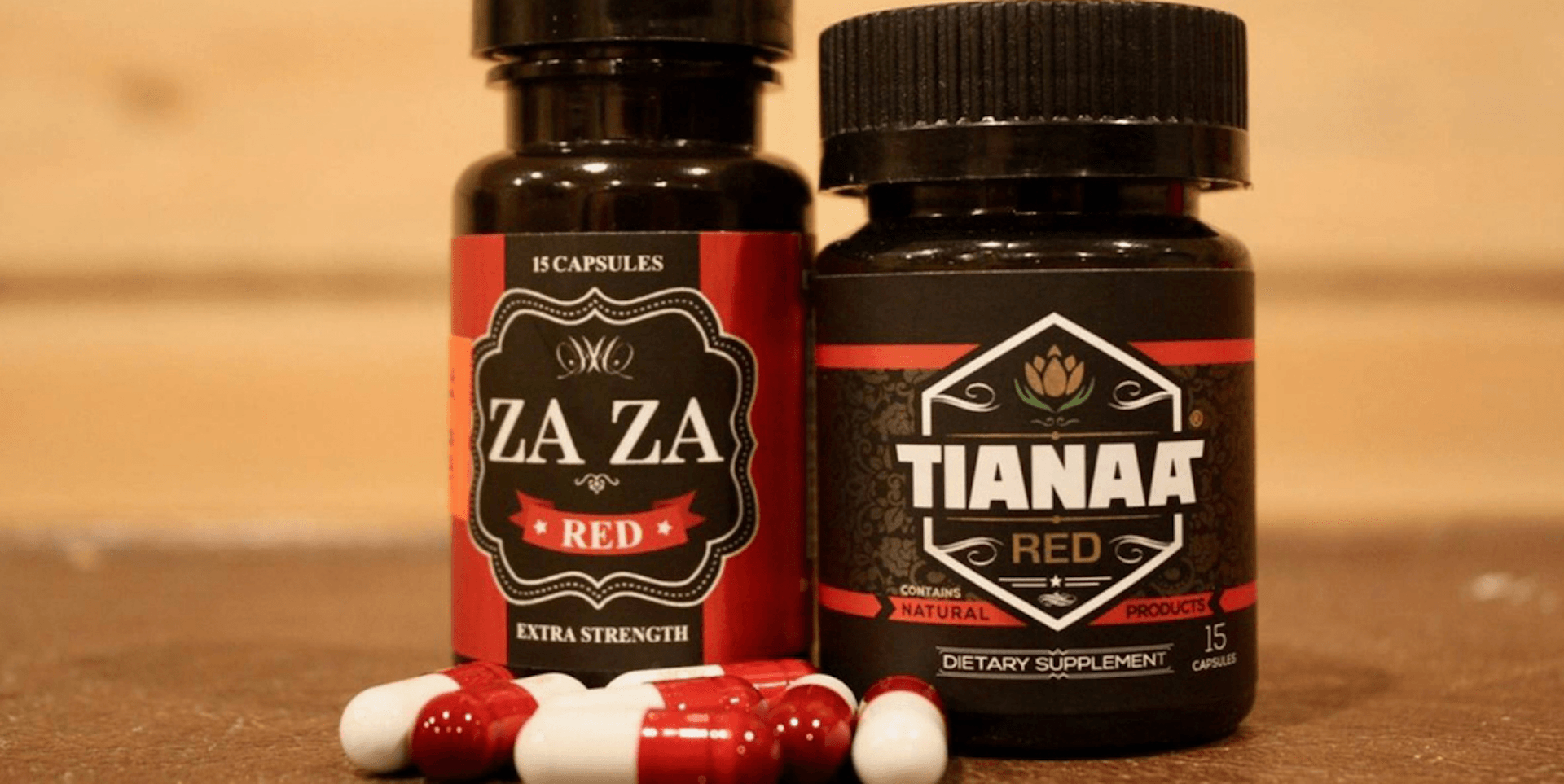
Zaza is more than just a trendy name; it is a dangerous synthetic drug with growing popularity. To understand its risks, it helps to look at what it really is and how it is sold.
1. Definition
Zaza is a common street name for tianeptine, a synthetic drug originally developed as an antidepressant. While it was intended for medical use in some countries, it has not been approved by the FDA and is often misused for its opioid-like effects.
2. How it’s marketed
Zaza is frequently disguised and marketed as a “supplement,” “dietary enhancer,” or even a “research chemical.” By labeling it this way, sellers attempt to bypass regulations and make it appear safer or more legitimate than it is.
3. Forms it comes in
This drug is sold in various forms, including capsules, powder, or liquid. Its accessibility in gas stations, convenience stores, and online makes it especially risky, as casual users may underestimate its potency and addictive potential.
Zaza may appear harmless when sitting on a store shelf, but it carries serious risks that should not be ignored. Knowing what it is can help you or a loved one avoid its dangers.
Why Zaza Is So Accessible
One of the most alarming aspects of Zaza is how easy it is to obtain. Its availability makes it seem harmless, but the truth is far more dangerous.
1. Legal loopholes in some states
In many areas, Zaza slips through gaps in regulation. Because it is marketed as a supplement or research chemical, it avoids being classified like other controlled substances. This allows it to remain legal in places where other opioids are banned.
2. Sales through gas stations, smoke shops, and online vendors
Unlike most prescription medications or controlled drugs, Zaza can be found at everyday locations. Gas stations, smoke shops, and countless online platforms sell it openly. Its presence in such casual settings misleads people into thinking it is safe.
3. Lack of awareness among consumers about its risks
Many consumers simply do not realize how dangerous Zaza is. Its marketing as a supplement masks its addictive nature, and its antidepressant origins create the false belief that it must be medically safe. Without accurate information, people underestimate the risks of dependence and withdrawal.
Zaza’s accessibility is part of what makes it so dangerous. Recognizing how it is sold and disguised is the first step toward protecting yourself or a loved one from harm.
Are You Struggling with Mental Health or Addiction?
We Can Help. Call Us Now!
CALL: 877-839-1772
How Zaza Works in the Body

Although not technically an opioid, Zaza produces effects in the body that mimic opioids closely. This makes it both addictive and dangerous for casual or repeated users.
1. Interaction with the brain’s opioid receptors
Zaza, or tianeptine, binds to opioid receptors in the brain even though it is not classified as an opioid. This interaction produces feelings of relaxation and euphoria, which make it highly appealing to those seeking relief from stress or emotional pain.
2. Short-lived euphoric effects leading to frequent re-dosing
Unlike traditional opioids that may last several hours, Zaza’s effects are brief. The high often fades within a short period, leading users to take repeated doses throughout the day. This cycle of re-dosing significantly increases the risk of dependence.
3. Rapid development of tolerance and dependence
Because Zaza acts quickly and wears off fast, tolerance builds rapidly. Users need increasingly higher doses to feel the same effect, and the body quickly adapts to rely on the drug. Dependence often develops before individuals realize how serious the risks are.
Zaza’s impact on the body explains why it is so addictive and why misuse can escalate quickly. Understanding how it works helps highlight the urgent need for caution and professional support.
Health Risks of Zaza Use
While Zaza is often marketed as harmless, its effects on the body and mind can be severe. The risks increase with frequent use, creating serious health consequences.
1. Physical risks
Zaza use often leads to nausea, constipation, and dizziness, but the dangers go beyond discomfort. High doses can trigger seizures, respiratory issues, and even life-threatening complications. Long-term misuse places strain on the body’s vital systems, weakening overall health.
2. Psychological risks
Because Zaza interacts with the brain, it can worsen or trigger mental health issues. Users often experience anxiety, depression, and mood swings. In severe cases, hallucinations or paranoia may appear, making daily functioning and relationships more difficult.
3. High addiction potential and withdrawal dangers
Zaza’s short-lived effects drive repeated dosing, which quickly leads to dependence. Withdrawal symptoms such as insomnia, muscle aches, and intense cravings can be extremely difficult to manage without professional help. This cycle makes quitting dangerous and relapse likely without support.
Zaza is far from safe, and its risks affect both body and mind. Recognizing these dangers is the first step toward seeking treatment and breaking free from its grip.
Are You Struggling with Mental Health or Addiction?
We Can Help. Call Us Now!
CALL: 877-839-1772
Signs of Zaza Addiction
Because Zaza is often marketed as a supplement, many people underestimate how addictive it can be. Recognizing the warning signs early is key to getting help before the addiction worsens.
1. Escalating use despite negative consequences
One of the clearest signs of addiction is continued use even when it causes harm. A person may struggle at work, damage relationships, or experience health problems, but still feel compelled to keep using Zaza.
2. Withdrawal symptoms when trying to quit
When dependent on Zaza, stopping suddenly often leads to withdrawal. Symptoms may include nausea, sweating, insomnia, muscle aches, and intense cravings. These withdrawal effects make it difficult to quit without professional support.
3. Secretive behavior and social withdrawal
Addiction often changes behavior. Individuals may hide their use from loved ones, become defensive when questioned, or withdraw socially to avoid being noticed. These patterns can lead to isolation and make the addiction harder to confront.
Recognizing these signs is an important first step toward recovery. With the right treatment and support, overcoming Zaza addiction is possible.
Treatment for Zaza Addiction at The Forge Recovery Center

Breaking free from Zaza addiction can be challenging, but with the right care, recovery is possible. At The Forge Recovery Center, we offer comprehensive treatment designed to address both dependence and long-term healing.
1. Safe, medically supervised detox for tianeptine withdrawal
Detoxing from Zaza is often the hardest step. Withdrawal symptoms can be intense and dangerous without medical care. Our team provides 24/7 supervision, symptom management, and a safe environment to make detox as comfortable as possible.
2. Therapy to address both physical dependence and psychological triggers
Addiction is more than physical. Through evidence-based therapies such as CBT, DBT, and trauma-informed counseling, we help clients uncover the emotional and behavioral factors driving their Zaza use. This dual focus promotes deeper, lasting recovery.
3. Long-term recovery planning to prevent relapse
Recovery does not end with detox. We provide personalized aftercare planning, including relapse prevention strategies, support groups, and ongoing therapy. These tools help clients build resilience and stay committed to sobriety even when challenges arise.
At The Forge Recovery Center, our goal is to provide safe, effective treatment that supports every stage of recovery from Zaza addiction.
Are You Struggling with Mental Health or Addiction?
We Can Help. Call Us Now!
CALL: 877-839-1772
Taking the First Step Toward Recovery
Zaza may seem harmless because of how it is sold, but its risks are real and potentially life-threatening. Early intervention is critical to prevent long-term damage and break the cycle of addiction. At The Forge Recovery Center, we provide safe detox, compassionate therapy, and long-term support to help you or your loved one recover.
You do not have to face this alone. Contact The Forge Recovery Center today for confidential help and take the first step toward a healthier, drug-free future.
Are You Struggling with Mental Health or Addiction?
We Can Help. Call Us Now!
CALL: 877-839-1772