Trauma Therapy Santa Ana


Find healing with trauma therapy Santa Ana residents trust. Get expert support for PTSD, anxiety, and emotional wounds in a safe, compassionate environment.

Trauma doesn’t just fade with time; it often lives in your body, affects your thoughts, and disrupts daily life in ways that feel impossible to explain. If you’re experiencing flashbacks, emotional numbness, anxiety, or substance use tied to past trauma, you’re not alone. At The Forge Recovery Center, we provide compassionate, evidence-based care that helps you feel safe again. If you're searching for trauma therapy Santa Ana, you're already taking a powerful first step toward healing.
In this article, we will explore how trauma therapy works, what to expect, and how it can support your recovery and long-term well-being.
What Is Trauma Therapy?

Trauma therapy is a focused form of mental health treatment that helps you heal from the impact of painful experiences. It’s not just about talking; it’s about truly changing how your mind and body respond to the past.
Here’s what trauma therapy involves:
1. A specialized approach to mental health care
Trauma therapy is designed specifically for individuals who have experienced distressing or overwhelming events. Therapists use techniques that go beyond traditional talk therapy to help you process what happened in a way that promotes real healing.
2. More than just telling your story
While talking can help, trauma therapy also works on a deeper level. It helps you safely access and reprocess the memories, emotions, and physical sensations that your brain and body still hold onto. The goal is to shift out of survival mode and into a place of regulation and safety.
3. Healing from both single-event and long-term trauma
You don’t have to experience a major catastrophe to need trauma therapy. Chronic stress, neglect, emotional abuse, and other ongoing difficulties can be just as damaging as a single traumatic event. All of it deserves to be addressed with care.
4. Safe, non-triggering techniques
Therapists trained in trauma understand how easily someone can become overwhelmed. Techniques are introduced gently and at your pace. Approaches like EMDR, somatic therapy, and trauma-informed CBT are used to help you feel in control during each session.
If you're searching for trauma therapy Santa Ana, know that healing is possible. At The Forge Recovery Center, we create a space where you can feel seen, supported, and empowered to take your next steps forward.
Signs You May Need Trauma Therapy

Trauma doesn't always show up in obvious ways. Sometimes, it hides beneath emotional reactions, physical symptoms, or behaviors you can’t quite explain. If you recognize any of the following signs, trauma therapy may be an important next step.
1. Flashbacks or recurring nightmares
Reliving painful memories or waking up from disturbing dreams can indicate unresolved trauma. These experiences may feel vivid and uncontrollable, making it difficult to feel safe in your own mind.
2. Emotional numbness or detachment
If you feel disconnected from your emotions, your surroundings, or even your loved ones, it could be a trauma response. Numbness is the body’s way of protecting you, but it also blocks joy and connection.
3. Panic, hypervigilance, or being easily startled
Living in a constant state of alertness, overreacting to sudden sounds, or experiencing panic attacks may mean your nervous system is stuck in survival mode. Trauma therapy helps you reset and regain a sense of calm.
4. Unexplained anger, shame, or grief
You might find yourself overwhelmed by strong emotions without knowing why. These emotional waves often stem from trauma that hasn’t been fully processed or validated.
5. Trouble trusting others or maintaining close relationships
Trauma can damage your ability to feel safe with others, leading to isolation or repeated conflicts. Therapy can help rebuild trust, first with yourself, then with others.
6. Using substances to numb or escape
Many people use alcohol or drugs to avoid emotional pain. If your coping strategies are becoming harmful, therapy can offer healthier alternatives for managing what you’re feeling.
Are You Struggling with Mental Health or Addiction?
We Can Help. Call Us Now!
CALL: 877-839-1772
Common Types of Trauma Treated in Santa Ana
Trauma comes in many forms, and it doesn’t always look the same from person to person. In trauma therapy, what matters most is how the experience affected you, not how severe it may seem on the surface.
Here are some of the most common types of trauma treated in Santa Ana:
1. Childhood physical or emotional abuse
Early-life abuse can leave lasting emotional wounds. Whether it involved physical harm, neglect, or emotional manipulation, these experiences often shape how you view yourself and the world well into adulthood.
2. Sexual trauma or domestic violence
Experiences of sexual assault, harassment, or abuse within intimate relationships can deeply impact trust, self-worth, and emotional safety. Trauma therapy provides a safe space to begin healing from this pain.
3. Military or first responder trauma
Exposure to violence, death, or life-threatening situations can leave veterans and first responders with lasting psychological effects. Therapy helps process these events and manage symptoms like PTSD, guilt, and emotional shutdown.
4. Car accidents or near-death events
Sudden life-threatening incidents can leave the body and mind stuck in a fear-based state. Trauma therapy can help release that fear and restore a sense of physical and emotional safety.
5. Loss, abandonment, or complicated grief
The death of a loved one or the sudden loss of a relationship can trigger trauma responses, especially when grief feels unresolved or overwhelming.
6. Complex trauma from repeated stress
Ongoing exposure to stress, neglect, or chaos, especially without support, can cause complex trauma. This often shows up as emotional dysregulation, trust issues, or chronic anxiety.
Evidence-Based Trauma Therapy Methods
Effective trauma therapy isn’t guesswork; it relies on proven methods that help the brain and body heal safely. These approaches are backed by research and tailored to each person’s unique experience with trauma.
Here are the most widely used evidence-based trauma therapy methods in Santa Ana:
1. EMDR (Eye Movement Desensitization and Reprocessing)
EMDR helps you reprocess distressing memories without becoming overwhelmed. Through guided eye movements or tapping, the brain learns to store traumatic events without the emotional charge they once held.
2. Trauma-Focused Cognitive Behavioral Therapy (TF-CBT)
This approach helps you identify and challenge unhelpful thoughts that developed from trauma. You’ll learn to replace them with healthier beliefs while developing emotional resilience and practical coping skills.
3. Somatic Therapy
Trauma is not just psychological—it often lives in the body. Somatic therapy focuses on physical sensations, movement, and breath to release tension and help the nervous system reset after chronic stress.
4. Mindfulness-Based Approaches
Practices like breathwork, meditation, and mindful movement help you stay grounded in the present moment. These techniques are powerful for reducing anxiety, managing flashbacks, and calming the body during high-stress situations.
5. Narrative Therapy
With this method, you examine how you’ve been telling your story, often shaped by pain, guilt, or shame, and begin rewriting it from a place of strength and self-compassion. This shift in perspective promotes healing and clarity.
At The Forge Recovery Center, we combine these trauma-informed methods to create a treatment plan that fits your needs. If you are looking for trauma therapy in Santa Ana, these approaches offer real hope for healing and long-term recovery.
Are You Struggling with Mental Health or Addiction?
We Can Help. Call Us Now!
CALL: 877-839-1772
Trauma and Addiction: A Common Link
Trauma and addiction often go hand in hand. For many people, substance use isn’t just about escape; it’s a way to manage the emotional pain left behind by unresolved trauma.
Here’s how the two are connected and why addressing both is key to recovery:
1. Trauma is often the root of addiction
Many individuals struggling with addiction have a history of physical, emotional, or psychological trauma. Whether it’s from childhood, relationships, or sudden events, trauma creates deep wounds that can lead to self-medicating behaviors.
2. Substances are used to numb emotional pain
Alcohol and drugs may seem to offer temporary relief from symptoms like anxiety, intrusive memories, or emotional numbness. But over time, they deepen the problem and prevent real healing.
3. Addiction creates its own layer of trauma
The lifestyle that comes with addiction, loss of control, damaged relationships, and health consequences often adds more trauma to an already painful experience. This cycle can feel impossible to escape without proper support.
4. Effective treatment must address both trauma and addiction
Treating addiction without addressing the trauma underneath is like treating a symptom without looking at the cause. Trauma-informed therapy helps individuals build emotional safety, process painful experiences, and find healthier ways to cope.
5. Trauma therapy is built into recovery at The Forge Recovery Center
At The Forge Recovery Center, we understand that healing from addiction means healing from trauma too. Our team uses integrated treatment plans that include both trauma therapy and substance use support.
Why Seek Trauma Therapy in Santa Ana?
Finding the right place for trauma therapy can make a big difference in your recovery. Santa Ana offers strong local resources, compassionate professionals, and a supportive mental health community to help you move forward.
Here’s why seeking trauma therapy in Santa Ana is a powerful choice:
1. Work with licensed, trauma-informed professionals
Santa Ana is home to highly trained therapists who specialize in trauma care. They understand how past experiences shape current emotions, behaviors, and relationships, and they tailor treatment to fit your background and needs.
2. Local care means consistent support
Having therapy nearby makes it easier to attend regular sessions, build momentum in your healing, and access help when challenges arise. Local options reduce the risk of missed appointments and gaps in care.
3. A growing recovery and mental health community
Santa Ana has become a hub for mental health and addiction recovery services. From outpatient centers to peer support networks, you’ll find a community that understands the complexities of trauma and welcomes your journey.
4. Flexible therapy options that meet you where you are
Whether you need individual therapy, family counseling, or trauma support within an outpatient addiction program, Santa Ana offers diverse formats. This flexibility helps you stay supported through different phases of healing.
5. The Forge Recovery Center is part of this community
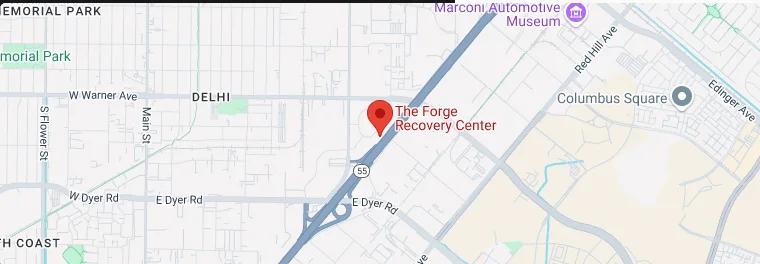
Located near Santa Ana, The Forge Recovery Center offers trauma therapy as a core part of our care model. Our therapists are experienced, compassionate, and ready to support you with practical tools for long-term recovery.
Are You Struggling with Mental Health or Addiction?
We Can Help. Call Us Now!
CALL: 877-839-1772
The Forge Recovery Center’s Trauma Therapy Approach

At The Forge Recovery Center, we believe trauma therapy should be accessible, personalized, and fully integrated into your healing journey. Our approach is designed to help you rebuild emotional safety while addressing the root causes of pain.
Here’s what sets our trauma therapy apart:
1. Integrated across all levels of care
Whether you’re in outpatient treatment, an intensive outpatient program (IOP), or receiving dual diagnosis support, trauma therapy is a core part of your care plan. We ensure that trauma is addressed alongside addiction, anxiety, depression, or other co-occurring issues.
2. Therapists trained in advanced trauma modalities
Our clinical team includes licensed professionals trained in EMDR (Eye Movement Desensitization and Reprocessing), somatic therapy, and other evidence-based trauma treatments. Each therapist uses the method best suited to your unique needs and comfort level.
3. A safe space to heal at your own pace
We know that trauma therapy requires trust and time. Our sessions are designed to be supportive, non-pressuring, and paced based on your emotional readiness. You will never be rushed or forced to relive painful memories.
4. Emphasis on long-term healing
Healing from trauma is not just about symptom relief. It is about creating lasting emotional stability, building self-awareness, and learning tools that help you manage future stress in healthier ways.
5. Prevention-focused approach to relapse and emotional setbacks
For those in addiction recovery, we place special emphasis on how trauma ties into cravings and relapse risk. Our therapists help you develop new coping strategies that promote resilience and long-term sobriety.
At The Forge Recovery Center, trauma therapy is more than a service. It is a path to rediscovering strength, stability, and peace on your terms.
Conclusion: You Deserve to Heal — And You Don’t Have to Do It Alone
Trauma may shape your past, but it does not have to define your future. With trauma therapy in Santa Ana, you can begin to heal in a safe, supportive environment tailored to your needs. At The Forge Recovery Center, we offer compassionate, trauma-informed care grounded in proven methods like EMDR, somatic therapy, and CBT. Whether you’re facing PTSD, unresolved grief, or trauma tied to addiction, we’re here to walk beside you every step of the way.
Reach out today and take your first step toward peace, resilience, and a life beyond survival.
Are You Struggling with Mental Health or Addiction?
We Can Help. Call Us Now!
CALL: 877-839-1772