Support Groups Orange County

Find trusted support groups Orange County residents rely on for mental health and addiction recovery. Connect with others and heal in a safe, supportive community setting.

Recovery and healing are difficult journeys, but you don’t have to walk them alone. Support groups offer a space to connect with others who truly understand what you’re going through. If you're searching for support groups Orange County, you're likely seeking connection, accountability, and a path forward. At The Forge Recovery Center, we believe the community plays a powerful role in mental health and addiction recovery. Whether you're supporting a loved one or navigating your own challenges, there’s a group for you.
In this article, we will explore what support groups are, who they benefit, and how to find one that fits your needs.
What Are Support Groups?

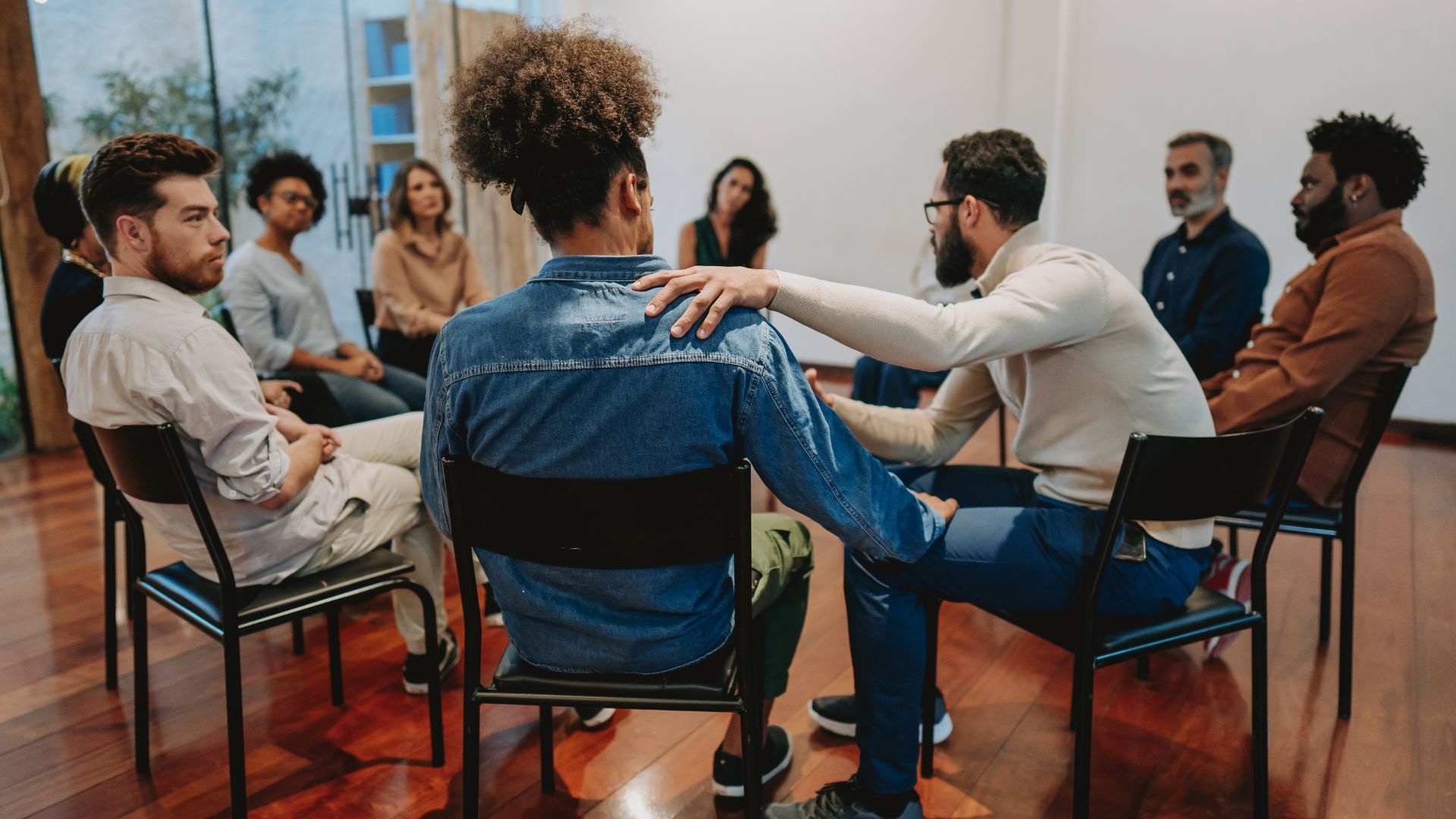
Support groups create a space for individuals facing similar challenges to come together, share experiences, and find encouragement. While they are not formal therapy, they are often deeply healing and emotionally restorative.
Here’s what defines a support group:
1. Peer-Led or Professionally Facilitated
Support groups may be led by trained peers with lived experience or by licensed professionals. Either way, the focus remains on shared connection, mutual respect, and emotional safety.
2. Not Formal Therapy, But Still Therapeutic
These groups are not designed for clinical treatment. Instead, they provide a space for open conversation, empathy, and encouragement. Many participants find them just as impactful as one-on-one therapy.
3. Focused on Shared Support
Everyone participates as equals. The goal is not to “fix” one another but to offer support, listen without judgment, and remind each other that they are not alone in their struggles.
4. Wide Range of Topics and Needs
Support groups exist for nearly every kind of life challenge. Some focus on mental health issues like anxiety or depression. Others center around addiction recovery, grief, trauma, caregiving, or chronic illness.
5. Open vs. Closed Group Models
Open groups allow you to drop in as needed and often run continuously. Closed groups are limited to a fixed number of participants who meet regularly for a set period, creating a deeper sense of trust and consistency.
6. Safe, Confidential Environment
Participants are expected to follow group guidelines, including confidentiality, respectful communication, and shared responsibility for maintaining a supportive space.
At The Forge Recovery Center, we recognize the power of community. Support groups are one way we help individuals feel seen, heard, and connected on their path to recovery.
Benefits of Joining a Support Group
Support groups offer more than just a place to talk. They provide a sense of connection, shared wisdom, and ongoing encouragement that can make a real difference in your recovery journey.
Here are the key benefits of joining a support group:
1. Reduces Feelings of Isolation
One of the most powerful realizations in a support group is, “I’m not the only one.” Hearing others share similar struggles helps ease loneliness and creates a strong sense of belonging.
2. Encourages Accountability and Motivation
Knowing you will check in with your group can increase your commitment to personal goals. The encouragement from others can also help you stay on track during difficult moments.
3. Shares Real-Life Coping Tools
Group members often bring valuable insights from their own experiences. You’ll learn practical strategies that have worked for others facing similar challenges, from managing cravings to handling emotional triggers.
4. Builds Self-Esteem and Confidence
Sharing your story and supporting others can boost your sense of self-worth. Over time, being seen and heard in a safe space helps rebuild trust in yourself and others.
5. Strengthens Emotional Resilience
Listening to how others have overcome setbacks can increase your emotional strength. You begin to understand that healing is possible, even if it looks different for everyone.
6. Often Free or Low-Cost
Many support groups are free or ask for a small donation. This makes them accessible to people who may not have the means for individual therapy but still want community-based healing.
Are You Struggling with Mental Health or Addiction?
We Can Help. Call Us Now!
CALL: 877-839-1772
Types of Support Groups in Orange County

Orange County offers a wide range of support groups for individuals, families, and communities facing mental health challenges, addiction, grief, and life transitions. These groups are designed to create connections, promote healing, and offer real-world guidance.
Here are some of the main types of support groups available:
1. Addiction Recovery Support Groups
These groups help individuals in all stages of recovery. Options include:
AA (Alcoholics Anonymous) and NA (Narcotics Anonymous) for 12-step support
SMART Recovery and Refuge Recovery for alternative approaches
Groups at treatment centers for post-detox support and aftercare planning
2. Mental Health Support Groups
These groups focus on managing mental health conditions in a safe, peer-supported setting:
Anxiety, trauma, and PTSD-focused groups
NAMI (National Alliance on Mental Illness) peer-led support
3. Grief and Loss Groups
Grief groups offer comfort and connection during times of mourning:
Loss-specific groups for parents, spouses, or children
Support for pet loss, miscarriage, or infertility
Hospice and hospital programs for families facing end-of-life care
4. Family and Loved Ones Support
These groups support those caring for or living with someone in recovery:
Al-Anon and Nar-Anon for families of individuals with substance use disorders
Codependency support groups
Caregiver and spouse-specific groups
5. LGBTQ+ Support Groups
These groups focus on identity, mental health, and belonging:
Community spaces for LGBTQ+ youth and adults
Groups addressing discrimination, coming out, and self-acceptance
6. Young Adult and Teen Support
Peer groups help navigate academic stress, relationships, and identity:
High school and college-focused groups
Support for young adults facing early recovery or emotional challenges
At The Forge Recovery Center, we help you find the right support group to match your journey.
Where to Find Support Groups in Orange County
Support groups are widely available throughout Orange County, with options to match different needs, schedules, and comfort levels. Whether you’re looking for an in-person connection or the privacy of a virtual meeting, there are many reliable places to start.
Here are trusted sources for finding a support group:
1. Treatment Centers
Facilities like The Forge Recovery Center offer structured support groups for addiction recovery, mental health challenges, trauma healing, and family support. These groups are often part of outpatient or aftercare programs.
2. Community Mental Health Nonprofits
Organizations like NAMI Orange County and the Mental Health Association of Orange County host free or low-cost support groups for anxiety, depression, bipolar disorder, and family caregivers. These groups are peer-led and focus on lived experience.
3. Hospitals and Outpatient Clinics
Many hospitals and behavioral health clinics offer specialized groups, such as grief counseling, post-hospitalization support, or chronic illness management. These are often facilitated by licensed professionals and are available to the public.
4. Churches and Spiritual Centers
Faith-based organizations frequently offer groups focused on grief, recovery, relationship struggles, or emotional wellness. These groups often blend spiritual guidance with emotional support.
5. Online Directories
Websites like Psychology Today, Meetup, and Recovery.org list local support groups by topic, location, and format. Many listings include contact info, meeting times, and whether registration is required.
6. Virtual Support Groups
If you prefer privacy or need more flexibility, many support groups meet online. These are ideal for those with transportation issues, tight schedules, or who feel more comfortable sharing from home.
At The Forge Recovery Center, we can help connect you to the right support group, whether in our care or through a trusted local partner.
Are You Struggling with Mental Health or Addiction?
We Can Help. Call Us Now!
CALL: 877-839-1772
Support Groups Vs. Group Therapy: What’s the Difference?
While support groups and group therapy both involve healing in a group setting, they serve different purposes. Understanding the distinction can help you choose the right fit for your needs or benefit from both.
Here’s how they compare:
1. Support Groups Are Peer-Led
Support groups are typically led by individuals who have lived experience with the issue being discussed. These leaders are not licensed therapists, but they create a safe space for sharing and encouragement.
2. Group Therapy Is Clinically Facilitated
Group therapy is led by a licensed mental health professional. The sessions follow a structured treatment plan and are grounded in therapeutic models like CBT or DBT.
3. Support Groups Are Informal and Accessible
Most support groups are free or low-cost, open to the public, and allow participants to attend as needed. They emphasize connection, listening, and shared experience rather than clinical intervention.
4. Group Therapy Is Part of Formal Treatment
Group therapy is usually included in outpatient, IOP, or PHP programs. It involves therapeutic goals, progress tracking, and often complements individual counseling as part of a complete care plan.
5. Support Groups Focus on Long-Term Connection
Support groups are often ongoing and help people maintain recovery, process grief, or find community over time. They are ideal for staying connected beyond formal treatment.
6. Many People Use Both
Support groups offer community and continuity, while group therapy provides targeted, therapist-guided healing. Combining both allows individuals to address deep emotional work and build long-term support.
The Forge Recovery Center’s Community Support Model

At The Forge Recovery Center, we believe lasting recovery is built on connection. Our community support model combines professional guidance, peer accountability, and inclusive spaces to help clients heal and grow beyond treatment.
Here’s what our support model includes:
1. Professionally Led Support Groups
We offer structured support groups led by licensed clinicians with expertise in addiction, trauma, and relapse prevention. These groups help clients develop emotional regulation skills, process setbacks, and stay grounded in recovery.
2. Peer-Based Emotional Processing Groups
Clients also participate in peer-led sessions focused on sharing experiences, building trust, and holding one another accountable. These groups foster a strong sense of belonging and mutual support.
3. Family Support and Education Sessions
Healing often involves the whole family. We provide support groups and educational workshops for family members, helping them understand addiction, rebuild relationships, and support their loved one’s recovery healthily.
4. Alumni and Aftercare Programs
Our care doesn’t stop when treatment ends. Alumni groups and aftercare check-ins provide long-term support, allowing former clients to stay connected, share their progress, and continue building a life in recovery.
5. Integration with Outpatient and IOP Care
Support groups are fully integrated into our outpatient and intensive outpatient (IOP) programs. This ensures continuity of care and allows clients to apply what they’re learning in a supportive, real-time environment.
6. Inclusive and Safe Space
We welcome clients from all backgrounds and identities. Our groups are designed to be judgment-free, culturally sensitive, and rooted in compassion.
At The Forge Recovery Center, our community support model is more than a program; it’s a pathway to connection, confidence, and lifelong recovery.
Are You Struggling with Mental Health or Addiction?
We Can Help. Call Us Now!
CALL: 877-839-1772
Conclusion: Real Growth Happens in a Safe Community
Healing is a personal journey, but connection makes it possible. If you're searching for support groups Orange County, you've already taken a powerful first step toward change. At The Forge Recovery Center, we provide both professionally led groups and peer-based support to help you feel seen, understood, and supported. Whether you're facing addiction, mental health struggles, or emotional overwhelm, you're not alone, and you don’t have to figure it out by yourself.
Reach out today. We’ll help you find a support group that fits your needs and surrounds you with real, lasting community.
Are You Struggling with Mental Health or Addiction?
We Can Help. Call Us Now!
CALL: 877-839-1772