Schizophrenia Treatment in Orange County


Find expert schizophrenia treatment in Orange County with compassionate, evidence-based care. Get support for symptoms, stability, and long-term mental health recovery.

Schizophrenia is a complex and often misunderstood mental health condition, but with proper treatment and support, individuals can find stability, clarity, and hope. If you’re looking for schizophrenia treatment in Orange County, for yourself or a loved one, you’re taking a critical first step toward recovery.
At The Forge Recovery Center, we provide compassionate, evidence-based care tailored to each person’s unique needs. Whether symptoms are new or ongoing, our team is here to help you navigate diagnosis, treatment options, and long-term support.
In this article, we will explain what schizophrenia is, how treatment works, and where to find expert care in Orange County.
Understanding Schizophrenia: A Complex Mental Health Condition
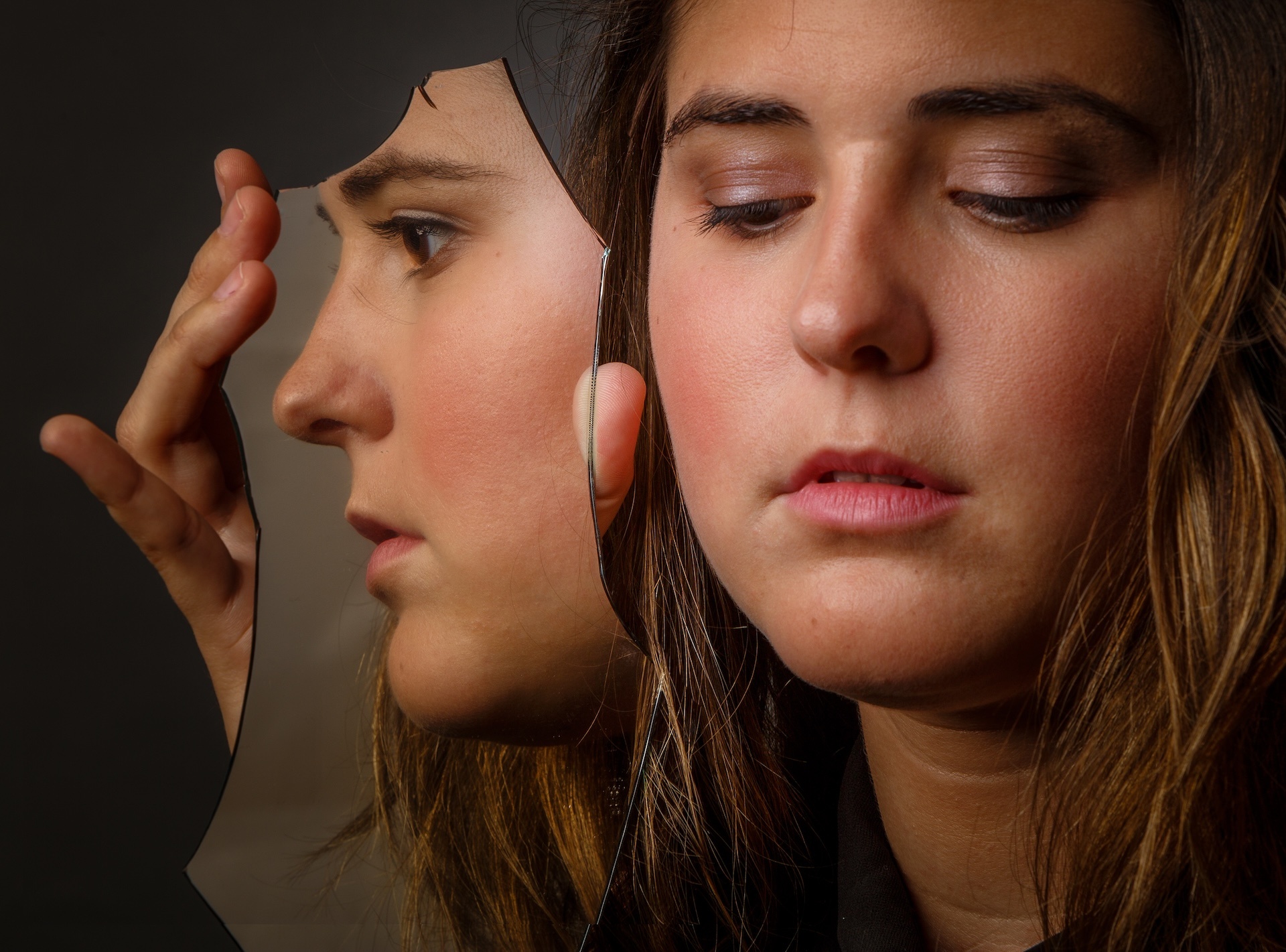
Schizophrenia is a long-term mental health disorder that affects a person’s ability to think clearly, manage emotions, and engage with others. It often requires ongoing treatment, but many people can lead meaningful lives with the right support.
Here’s what you should know:
Definition and Overview
Schizophrenia is a chronic brain disorder that impacts how a person interprets reality. It affects thoughts, emotions, behavior, and perception, often making daily life and relationships difficult without treatment.Positive Symptoms
These include hallucinations (seeing or hearing things that aren’t there), delusions (strongly held false beliefs), and disorganized thinking or speech. These symptoms are called “positive” because they represent changes added to a person’s typical behavior.Negative Symptoms
Negative symptoms involve a reduction or loss of normal function. Common examples include lack of motivation, reduced emotional expression (flat affect), and social withdrawal or isolation.Cognitive Symptoms
These symptoms impact thinking and problem-solving. Individuals may struggle with memory, attention, or decision-making, which can affect school, work, and everyday tasks.Typical Onset
Schizophrenia often begins in late adolescence or early adulthood. However, onset can vary by individual, and symptoms may develop gradually or appear suddenly.Importance of Early Intervention
The earlier schizophrenia is diagnosed and treated, the better the outcomes. Early care can help manage symptoms, reduce complications, and improve long-term quality of life.
Understanding schizophrenia is the first step toward support and recovery. With a comprehensive care plan, individuals can regain stability and build a path forward.
When to Seek Professional Help

Schizophrenia often begins with subtle changes that can be mistaken for stress, depression, or mood swings. Knowing when to seek help is crucial, as early treatment can significantly improve long-term outcomes.
Here are key warning signs to watch for:
Paranoia or Irrational Beliefs
Believing that others are out to harm you, reading hidden messages into everyday events, or feeling constantly watched may indicate emerging delusions and should be taken seriously.Sudden Changes in Behavior or Speech
If someone begins speaking in ways that are hard to follow, jumps from topic to topic, or behaves in a way that seems disconnected from reality, it could be an early sign of psychosis.Social Withdrawal
Avoiding family, friends, or responsibilities may signal emotional detachment. If the person was once socially active and suddenly becomes isolated, this shift warrants professional attention.Hallucinations
Seeing or hearing things that others don’t, such as voices, shadows, or whispers, can be a major sign of schizophrenia. These experiences are often frightening or confusing for the person involved.Decline in Functioning
A drop in performance at work, school, or home, along with difficulty concentrating or following through on tasks, often points to underlying mental health challenges.Emotional Blunting or Flat Affect
Showing little emotional expression, not reacting to important events, or appearing emotionally distant can also be a symptom.
Schizophrenia is not something to ignore or wait out. Early professional intervention is essential to stabilize symptoms, avoid crisis situations, and begin the path to recovery. If you notice these signs, reaching out to a mental health provider is the next best step.
Are You Struggling with Mental Health or Addiction?
We Can Help. Call Us Now!
CALL: 877-839-1772
Evidence-Based Treatments for Schizophrenia
Effective treatment for schizophrenia involves a combination of medication, therapy, and support services. These interventions work together to manage symptoms, reduce relapse risk, and help individuals lead more stable, independent lives.
Here are the key components of evidence-based care:
Medication Management
Antipsychotic Medications: First- and second-generation antipsychotics are the foundation of treatment. They help manage symptoms like hallucinations, delusions, and disorganized thinking.
Long-Acting Injectables (LAIs): LAIs provide consistent medication levels and are especially helpful for individuals who have difficulty with daily pills. They significantly reduce the risk of relapse.
Monitoring and Adherence: Ongoing supervision ensures medications remain effective and side effects are managed. Sticking to a medication plan is critical for long-term stability.
Therapy and Psychosocial Support
Cognitive Behavioral Therapy (CBT) for Psychosis: Helps reduce fear and confusion around hallucinations or delusional thinking. It also teaches coping strategies to manage distress.
Individual Therapy: Builds trust, promotes insight into symptoms, and supports emotional regulation and daily functioning.
Family Therapy and Psychoeducation: Involves loved ones in the recovery process, providing tools and information to reduce stress and improve communication.
Social Skills and Vocational Training: Supports individuals in rebuilding relationships, managing responsibilities, and re-entering school or work environments.
Supportive Services
Case Management: Coordinates care between therapists, doctors, and support programs.
Life Skills and Psychiatric Rehab: Offers coaching on cooking, budgeting, hygiene, and other daily tasks.
Crisis and Safety Planning: Ensures immediate help is available when symptoms worsen.
Peer and Community Programs: Encourages connection, reduces isolation, and fosters ongoing recovery through shared experience.
Comprehensive, integrated care is key to helping individuals with schizophrenia regain control and move forward with purpose.
Levels of Care Available in Orange County
Schizophrenia treatment is not one-size-fits-all. Depending on the severity of symptoms and individual needs, several levels of care are available in Orange County to provide the right amount of support at the right time.
Here are the main options:
Outpatient Psychiatry and Therapy
This level of care is ideal for individuals who are stable but need ongoing medication management and regular therapy sessions. It supports long-term recovery and helps prevent relapse through consistent check-ins and mental health support.Intensive Outpatient Programs (IOP)
IOPs provide structured therapy several times a week while allowing individuals to live at home. These programs include group therapy, individual counseling, and medication monitoring—ideal for those needing more support than standard outpatient care.Partial Hospitalization Programs (PHP)
PHP offers a full-day treatment schedule without requiring overnight stays. Individuals receive daily therapeutic services, medication support, and clinical oversight. This level of care is helpful for those stepping down from inpatient care or needing more structure than IOP provides.Residential Mental Health Treatment
For individuals who require 24/7 supervision but don’t need hospital-level care, residential treatment offers a safe, supportive environment. These programs provide therapy, medication support, and life skills training in a home-like setting.Inpatient Psychiatric Stabilization
If someone is experiencing acute psychosis, suicidal thoughts, or is a danger to themselves or others, inpatient hospitalization may be necessary. Hospitals provide emergency stabilization, medical care, and short-term psychiatric support to manage crisis situations.
Are You Struggling with Mental Health or Addiction?
We Can Help. Call Us Now!
CALL: 877-839-1772
Dual Diagnosis Treatment for Co-Occurring Conditions

Many individuals with schizophrenia also experience co-occurring mental health or substance use disorders. Treating both conditions at the same time is essential for lasting recovery and improved quality of life.
Here’s how dual diagnosis treatment helps:
Understanding Co-Occurring Disorders
It’s common for individuals with schizophrenia to also struggle with depression, anxiety, PTSD, or substance use. These issues can worsen schizophrenia symptoms if left untreated.Integrated Treatment Approach
Dual diagnosis care addresses both the primary condition and co-occurring disorders together. This approach helps prevent relapse, reduces hospitalizations, and improves overall functioning.Medication and Psychiatric Support
Treatment begins with a careful evaluation by a psychiatrist who can develop a medication plan that addresses psychotic symptoms while managing anxiety, mood issues, or withdrawal-related distress.Substance Use Counseling
For those struggling with addiction, therapy focuses on understanding the relationship between substance use and mental health. Clients learn healthier coping strategies and work toward sobriety in a structured setting.Trauma-Informed Therapy
Many co-occurring disorders stem from or are worsened by trauma. A trauma-informed approach ensures clients feel safe while exploring past experiences that may influence current behaviors.Relapse Prevention Planning
Therapy includes education, trigger identification, and coping tools to prevent relapse from either schizophrenia symptoms or substance use.Coordinated Care and Case Management
Dual diagnosis treatment includes ongoing communication between psychiatrists, therapists, and support staff to ensure all aspects of care are aligned and responsive.
At The Forge Recovery Center, we specialize in supporting individuals with complex mental health and addiction challenges. Our dual diagnosis programs provide the integrated care needed to rebuild a stable, healthy life.
Why Choose The Forge Recovery Center for Schizophrenia Treatment
Schizophrenia treatment requires more than just medication, it takes a dedicated team, comprehensive care, and a healing environment. At The Forge Recovery Center, we provide the support needed to help individuals achieve long-term stability and a better quality of life.
Here’s why individuals and families trust us with schizophrenia care:
Specialized Clinical Expertise
Our experienced clinical team is trained in treating psychotic disorders and co-occurring conditions. We understand the complexity of schizophrenia and tailor care accordingly.Personalized Treatment Plans
Every client receives an individualized care plan that includes therapy, medication management, and structured support to promote long-term recovery and daily functioning.Integrated Services Under One Roof
We offer psychiatry, therapy, case management, and crisis planning in one coordinated program. This integration reduces confusion and ensures consistent, aligned care.Safe, Trauma-Informed Environment
Our center is a judgment-free space built on compassion, not criticism. We recognize the impact of trauma and design care that respects each client’s emotional safety and comfort.Family and Peer Support
Healing happens in connection with others. We involve family members when appropriate and offer peer mentorship to help clients build confidence and a sense of belonging.Holistic Wellness Services
Recovery goes beyond symptom control. We incorporate mindfulness practices, nutrition education, exercise, art therapy, and other wellness activities that support mind and body healing.Continuum of Care
From outpatient to more intensive levels of treatment, we provide flexible care options that evolve as your needs change.
At The Forge Recovery Center, our goal is not just symptom relief; it’s empowering each person to build a stable, meaningful life with ongoing support.
Are You Struggling with Mental Health or Addiction?
We Can Help. Call Us Now!
CALL: 877-839-1772
Conclusion: Stability Starts with the Right Support
Schizophrenia is a serious condition, but with the right support, healing is possible. If you're seeking schizophrenia treatment in Orange County, you don’t have to face it alone. At The Forge Recovery Center, we provide compassionate, evidence-based care designed to help you or your loved one regain stability and rebuild life with confidence. From medication management to therapy and community support, we offer a comprehensive path forward.
Reach out today for a confidential consultation and take the first step toward clarity, connection, and lasting recovery. Your future is still yours to shape.
Are You Struggling with Mental Health or Addiction?
We Can Help. Call Us Now!
CALL: 877-839-1772