Robotripping


Robotripping, or DXM abuse, poses serious health risks. Learn the signs, dangers, and how professional addiction treatment can help with safe recovery.

Robotripping, the abuse of cough medicines containing dextromethorphan (DXM), is often misunderstood. Some see it as a “safe” high, but the reality is very different. Robotripping might seem harmless to some, but the physical and psychological consequences can be life-altering. At The Forge Recovery Center, we know how frightening it is to watch yourself, or someone you love, slip into harmful patterns with substances that seem ordinary. Our role is to provide clear answers and compassionate, professional treatment.
In this article, we will explore what robotripping is, its dangers, and the help available for lasting recovery.
What Is DXM, and Why Is It Abused?
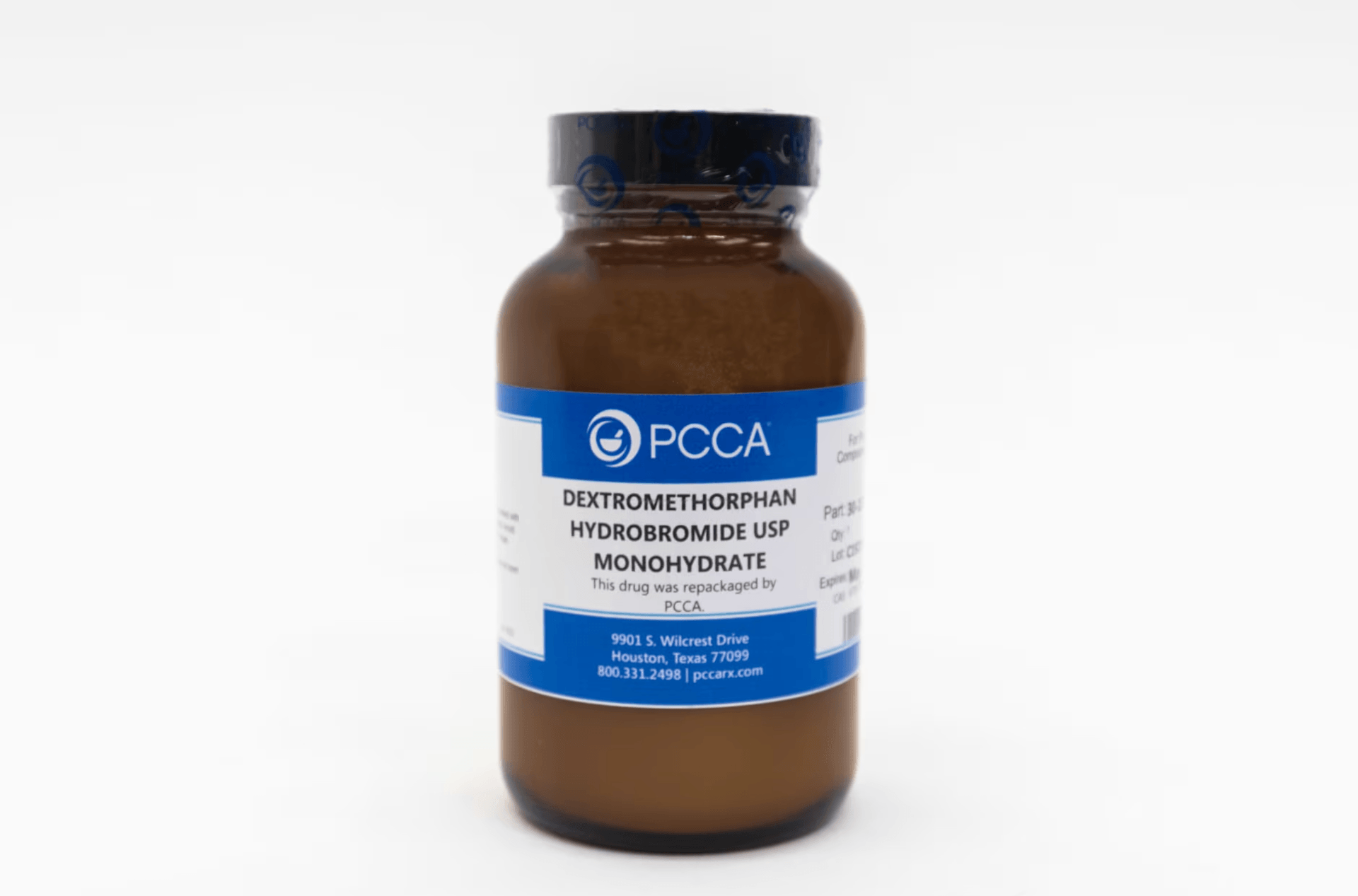
Dextromethorphan (DXM) is a common ingredient in many over-the-counter cough syrups, but in high amounts, it can produce dangerous mind-altering effects. Here’s what you need to know:
Medical role in cough medicine
DXM is a cough suppressant found in popular cold and flu medications. At normal doses, it works safely to calm cough reflexes and provide relief. Its widespread availability makes it a familiar name in households across the country.How DXM affects the brain
When taken in large amounts, DXM impacts the brain’s NMDA receptors. These receptors play a key role in regulating perception, learning, and memory. High doses overstimulate them, leading to dissociation, hallucinations, and a sense of detachment from reality. These effects can feel similar to drugs like ketamine or PCP, making DXM attractive to those seeking an escape.Why do people abuse DXM?
DXM-containing syrups and capsules are inexpensive and easy to buy at most pharmacies or grocery stores. Because they are sold legally, many underestimate the risks. This accessibility, combined with the perception that it is “just cough medicine,” contributes to its misuse. Teenagers and young adults, in particular, may experiment with robotripping, unaware of the serious health consequences.The overlooked danger
Unlike illegal drugs, DXM rarely raises suspicion. Parents and loved ones may not recognize the early signs of abuse, which allows the problem to grow unnoticed until it becomes severe.
DXM may seem like a harmless household medication, but when misused, it poses real risks. Recognizing why it is abused is the first step toward prevention and treatment.
The Stages of Robotripping: DXM’s “Plateaus”
Robotripping is often described in terms of “plateaus,” or stages of intoxication, depending on how much DXM is consumed. Each plateau brings unique risks and dangers.
First Plateau
At lower doses, users may feel mild stimulation and slight euphoria. Some compare it to having extra energy or feeling lightly buzzed. While this stage may seem harmless, it encourages repeated use that can escalate quickly.Second Plateau
With higher intake, coordination and motor skills begin to decline. Vision and perception become distorted, and individuals may experience exaggerated emotions. Everyday tasks like walking, driving, or even holding conversations become difficult and unsafe.Third Plateau
At this level, users often enter a dissociative state. Hallucinations, confusion, and memory impairment are common. People may feel disconnected from their bodies or surroundings, which can lead to reckless choices and accidents.Fourth Plateau
The highest stage is the most dangerous. Full dissociation occurs, often described as an “out of body” experience. Judgment is severely impaired, hallucinations intensify, and overdose risk rises dramatically. At this point, medical emergencies such as seizures, dangerously high blood pressure, or even death are possible.
Understanding these stages highlights how quickly experimentation can spiral into a medical crisis. Robotripping is not a harmless way to get high but a serious threat to health and safety.
Are You Struggling with Mental Health or Addiction?
We Can Help. Call Us Now!
CALL: 877-839-1772
Short-Term Risks of Robotripping

Even a single episode of robotripping can have serious effects on the body and mind. These short-term risks often appear within hours of misuse.
Physical symptoms
Users frequently experience nausea, dizziness, and a rapid heartbeat. Poor coordination makes walking, driving, or performing normal activities unsafe. These symptoms alone can lead to accidents or injuries.Cognitive and emotional effects
Confusion and paranoia are common, and some individuals may lash out with aggressive or erratic behavior. These changes can place both the user and those around them in dangerous situations.Risky decision-making
Intoxication impairs judgment, often leading to reckless choices. Driving under the influence, unsafe sexual behavior, or wandering into hazardous environments are common outcomes.
Although these effects may fade after the drug wears off, they can have lasting consequences. Robotripping’s short-term dangers should never be underestimated.
Long-Term Risks and Addiction Potential
Repeated robotripping can leave lasting damage, both physically and mentally. Over time, the risks increase and recovery becomes more difficult.
Cognitive impairment
Chronic misuse of DXM can impair memory, focus, and problem-solving abilities. These issues may persist even after use has stopped, affecting work, school, and relationships.Mental health struggles
Long-term users often develop depression, anxiety, and unpredictable mood swings. Emotional instability can make daily life overwhelming and worsen the cycle of addiction.Liver damage
Many DXM products also contain acetaminophen. High doses over time place extreme strain on the liver, leading to permanent injury or even liver failure.Tolerance and withdrawal
With continued abuse, the body adapts, requiring higher doses for the same effect. Withdrawal symptoms such as cravings, agitation, and insomnia appear when use stops, making it difficult to quit without help.
The long-term consequences of robotripping are serious and often irreversible. Recognizing these risks is a critical step toward seeking safe, professional treatment.
Are You Struggling with Mental Health or Addiction?
We Can Help. Call Us Now!
CALL: 877-839-1772
Recognizing the Signs of DXM Abuse
Spotting DXM abuse early can make a significant difference in getting someone the help they need. These warning signs often appear both at home and in daily behavior.
Unexplained medicine use
Empty cough syrup bottles, missing pills, or frequent purchases of over-the-counter cold medications may indicate misuse. What looks like casual use could be hiding a dangerous pattern.Physical symptoms
Robotripping often causes slurred speech, dilated pupils, and poor motor control. These effects can resemble alcohol intoxication, but without the smell of alcohol. Repeated episodes of these symptoms are strong red flags.Behavioral changes
Individuals misusing DXM may withdraw from family, lose interest in hobbies, or change their social circles. Secretive behavior, lying about whereabouts, or spending more time with peers who misuse substances are common.Shifts in daily functioning
Declining grades, missed work, and neglect of responsibilities often follow long-term misuse. These changes are not always obvious at first, but when combined with other signs, they paint a clear picture of abuse.
Being aware of these signals allows families and friends to step in sooner. Recognizing DXM abuse early can prevent severe health consequences and open the door to treatment.
Professional Treatment for Robotripping and DXM Addiction

Overcoming DXM addiction takes more than willpower. Professional treatment provides the medical, emotional, and educational support needed for safe and lasting recovery.
Medical detox
Detox is often the first step. Under medical supervision, withdrawal symptoms such as cravings, anxiety, or insomnia are safely managed. This stabilization process prepares individuals for deeper therapeutic work without the risks of quitting alone.Therapy for mental health
Many who struggle with DXM abuse also face depression, anxiety, or trauma. Individual and group therapy address these root issues, helping clients understand the connection between mental health and substance use.Education and relapse prevention
Learning about the risks of DXM and strategies for avoiding triggers is a key part of treatment. Clients gain tools for managing stress, building healthier routines, and reducing the likelihood of relapse.Family therapy
Addiction often strains relationships. Family therapy sessions rebuild trust, improve communication, and provide loved ones with the knowledge they need to support recovery at home.
Professional treatment ensures that recovery is not only possible but sustainable. With the right care, individuals can move beyond robotripping and regain control of their lives.
Are You Struggling with Mental Health or Addiction?
We Can Help. Call Us Now!
CALL: 877-839-1772
Recovery Support at The Forge Recovery Center
Lasting recovery from DXM abuse requires more than short-term treatment. At The Forge Recovery Center, we provide comprehensive support designed to meet the unique needs of every client.
Personalized treatment plans
Every person’s path to recovery is different. We create individualized plans for both teens and adults, ensuring that care is tailored to specific challenges, goals, and life circumstances. This personal approach builds a stronger foundation for sobriety.Holistic programs
Addiction affects the body, mind, and spirit. Our programs integrate evidence-based therapies with holistic practices that support mental, emotional, and physical health. Clients may benefit from mindfulness, fitness, nutrition planning, and other tools that promote overall wellness.Aftercare support
Recovery does not end when treatment is complete. We offer structured aftercare programs that include ongoing therapy, relapse prevention strategies, and peer support. These resources help clients stay connected, motivated, and focused on long-term sobriety.
At The Forge Recovery Center, we are committed to helping individuals not only recover but also thrive in their everyday lives. With the right support, freedom from DXM addiction is possible.
Taking the First Step Toward Healing
Robotripping may start with over-the-counter medicine, but its consequences can be life-changing. No matter how long you or your loved one has struggled, recovery is possible at any stage. At The Forge Recovery Center, we provide compassionate, professional care to guide you toward lasting sobriety and healing. You do not have to face this alone; confidential help is available today.
Contact The Forge Recovery Center to begin a recovery journey built on safety, support, and hope for a healthier future.
Are You Struggling with Mental Health or Addiction?
We Can Help. Call Us Now!
CALL: 877-839-1772