PTSD Therapy in Orange County


Find compassionate, trauma-informed PTSD therapy in Orange County. Explore treatment options designed to help you heal emotionally and regain control of your life.

PTSD can make daily life feel exhausting, unpredictable, and disconnected. Flashbacks, anxiety, and emotional numbness can leave you feeling stuck or alone. If you're searching for PTSD therapy in Orange County, you're already taking a brave first step toward healing. At The Forge Recovery Center, we offer trauma-informed treatment that helps you regain a sense of safety, stability, and control. Whether your trauma stems from past abuse, military service, or a life-altering event, you deserve support tailored to your experience and needs.
In this article, we will explore effective PTSD therapy options available in Orange County and how to begin your recovery journey.
What PTSD Really Looks Like (Beyond Combat and Catastrophe)

PTSD isn’t limited to war zones or major disasters. It can come from any experience that overwhelms your sense of safety or control. Trauma is deeply personal, and its effects often linger long after the event.
Here are some common, but often overlooked, causes of PTSD:
1. Childhood Neglect or Abuse
Growing up in a chaotic or unsafe environment can leave lasting emotional scars. These early experiences often shape how you respond to stress and relationships in adulthood.
2. Car Accidents or Medical Trauma
Surviving a serious accident or undergoing invasive medical procedures can trigger PTSD, especially when the event involved fear, helplessness, or pain.
3. Domestic Violence or Emotional Abuse
Living with someone who harms or manipulates you can be just as traumatizing as physical violence. Emotional abuse leaves invisible wounds that are just as valid.
4. Sudden Loss or Witnessing Violence
Losing a loved one unexpectedly or seeing someone harmed can shock the nervous system and leave you stuck in fear, grief, or disbelief.
Here are some signs you may be dealing with PTSD:
1. Flashbacks and Nightmares
Reliving the trauma through intrusive memories or dreams is one of the most common symptoms.
2. Avoidance Behaviors
You might steer clear of anything that reminds you of the trauma, including people, places, or even certain emotions.
3. Hypervigilance and Insomnia
Always feeling on edge, unable to sleep, or overly alert is your nervous system is staying stuck in survival mode.
4. Emotional Numbness and Disconnection
You may feel flat, disconnected from others, or unable to experience joy.
At The Forge Recovery Center, we believe you don’t have to justify your trauma to deserve help. Your experience matters, and healing is possible.
Why Professional PTSD Therapy Is Essential
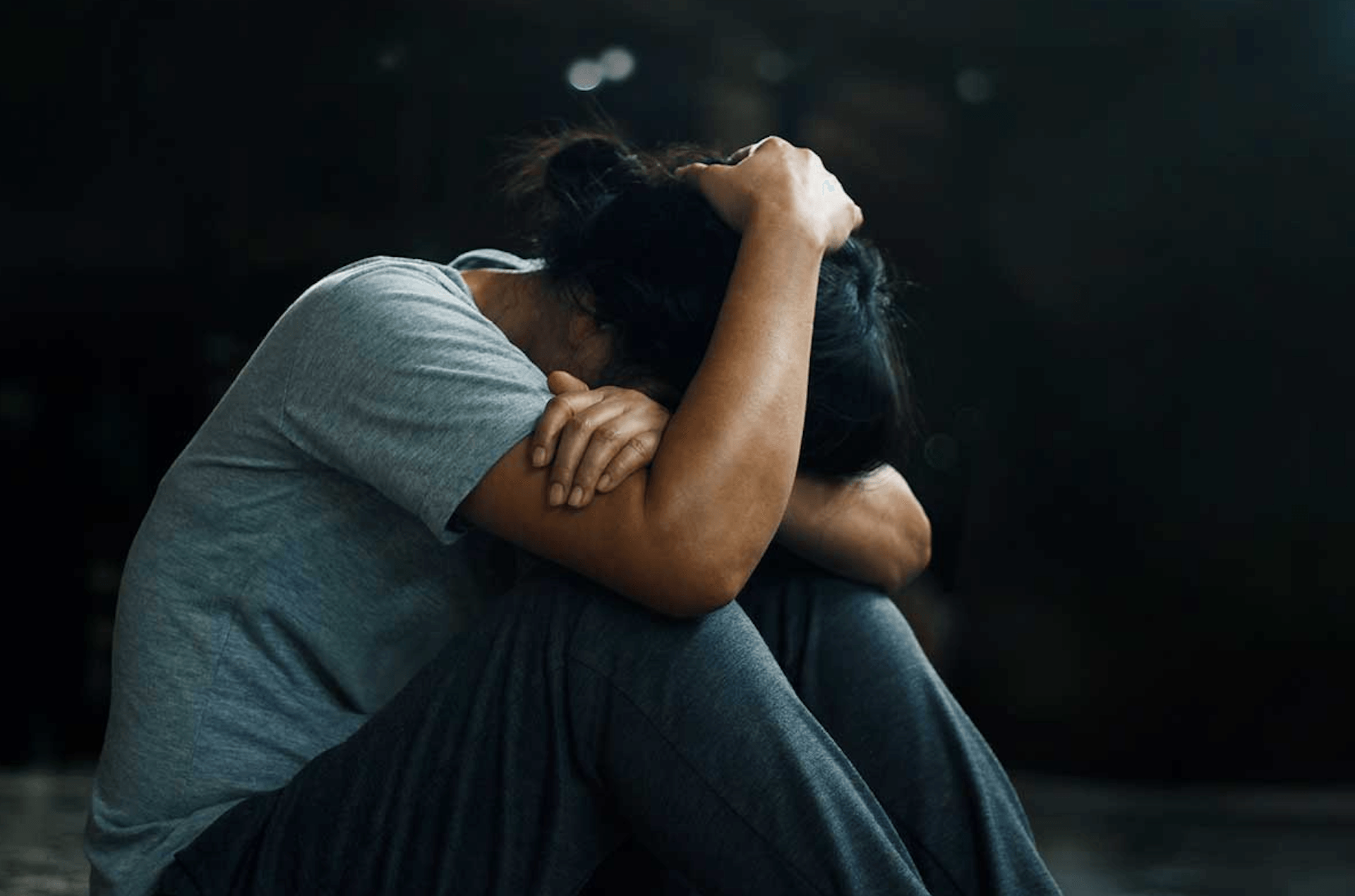
PTSD doesn’t fade with time; it embeds itself into how you think, feel, and interact with the world. Without professional support, it often worsens, affecting your health, relationships, and overall stability.
Here’s why seeking PTSD therapy is critical:
1. Mental Health Decline
Unaddressed PTSD often leads to anxiety, depression, panic attacks, or emotional numbness. Many people turn to substances to cope, creating a cycle that’s hard to escape without guidance.
2. Strained Relationships and Work Challenges
PTSD can make it difficult to trust others, communicate, or stay emotionally present. This strain can lead to isolation, job loss, or conflict with family and friends.
3. Disrupted Sleep and Chronic Fatigue
Flashbacks, nightmares, and racing thoughts often interfere with sleep. Over time, this lack of rest compounds emotional distress and weakens your body’s ability to heal.
4. Physical Health Risks
Long-term trauma keeps the nervous system on high alert. This chronic stress can raise your risk for heart disease, digestive issues, weakened immunity, and other health problems.
5. Structured, Safe Healing
Professional PTSD therapy provides a calm space to process trauma without being overwhelmed by it. Therapists use proven techniques like EMDR, CBT, and somatic therapy to help your brain and body safely reprocess traumatic memories.
6. Rebuilding Trust and Safety
Therapy helps you regain a sense of control. It teaches emotional regulation, helps you manage triggers, and rebuilds your confidence in everyday situations.
Are You Struggling with Mental Health or Addiction?
We Can Help. Call Us Now!
CALL: 877-839-1772
Types of PTSD Therapy Offered in Orange County
PTSD treatment isn’t one-size-fits-all. Orange County offers a range of evidence-based therapies designed to help you process trauma, regulate emotions, and rebuild a sense of safety.
Here are some of the most effective therapy options:
1. Cognitive Behavioral Therapy (CBT)
CBT helps you recognize and shift harmful thought patterns that were shaped by trauma. It teaches practical tools to manage anxiety, reframe beliefs, and respond more calmly to triggers.
2. Prolonged Exposure Therapy (PE)
This approach guides you in gradually and safely confronting traumatic memories or situations you avoid. Over time, exposure reduces fear and helps you regain control over your responses.
3. EMDR (Eye Movement Desensitization and Reprocessing)
EMDR uses bilateral stimulation, such as eye movements or tapping, to help your brain reprocess traumatic memories. It reduces the emotional intensity of past experiences without requiring you to talk through every detail.
4. Trauma-Focused CBT (TF-CBT)
Designed especially for children, teens, and those with early-life trauma, TF-CBT combines cognitive techniques with emotional support. It helps clients build resilience while processing complex childhood experiences.
5. Somatic Therapies
Trauma lives in the body, not just the mind. Somatic approaches like breathwork, mindfulness, and gentle movement help release stored stress and improve nervous system regulation.
6. Group Therapy and Peer Support
Healing with others who understand can be incredibly powerful. Group therapy offers connection, shared insight, and the comfort of knowing you’re not alone in your recovery.
Choosing the Right Level of Care for Your Needs
PTSD affects everyone differently, so finding the right level of care is essential to recovery. Orange County offers several treatment options based on the severity of symptoms, daily responsibilities, and personal goals.
Here are the main levels of care to consider:
1. Outpatient Therapy
This option is ideal for those who have a stable daily routine and milder symptoms. Weekly or biweekly sessions allow you to receive professional support while maintaining work, school, or family responsibilities.
2. Intensive Outpatient Programs (IOP)
IOP includes multiple therapy sessions each week, often combining individual, group, and trauma-focused therapy. This level suits individuals who need more support than outpatient care but still want to live at home.
3. Partial Hospitalization Program (PHP)
PHP offers full-day therapy sessions, five days a week, in a structured setting. It’s a strong choice for those with more severe PTSD symptoms who need daily therapeutic support without committing to overnight care.
4. Residential Trauma Programs
For those with complex or long-standing trauma, residential treatment provides 24/7 care. Clients live on-site in a safe environment while engaging in intensive therapy, holistic healing practices, and life-skills training.
5. Step-Down Flexibility
Many clients begin at a higher level of care and step down gradually as symptoms improve. This approach supports long-term progress while adjusting to real-life stressors in a safe, supportive way.
At The Forge Recovery Center, we help you determine which level of care fits your needs best. Your treatment plan evolves with you, ensuring consistent support at every stage of your healing journey.
Are You Struggling with Mental Health or Addiction?
We Can Help. Call Us Now!
CALL: 877-839-1772
Co-Occurring Conditions: PTSD Rarely Shows Up Alone
PTSD often brings other mental health or behavioral issues with it. These co-occurring conditions can make recovery more complex, but also more critical to approach with a comprehensive plan.
Here are some of the most common conditions that appear alongside PTSD:
1. Substance Use Disorders
Many people with PTSD turn to alcohol, cocaine, opioids, or other substances to numb flashbacks, anxiety, or emotional pain. This coping mechanism can quickly become an addiction, requiring dual treatment for both trauma and substance use.
2. Depression or Bipolar Disorder
Mood disorders are common in those with PTSD. Depression may manifest as emotional numbness, loss of interest, or hopelessness. In some cases, bipolar disorder adds layers of emotional instability that must be addressed alongside trauma therapy.
3. Anxiety and Panic Disorders
PTSD often overlaps with generalized anxiety or panic attacks. Constant hypervigilance, intrusive thoughts, and physical symptoms like a racing heart can mirror or intensify anxiety disorders, requiring specialized treatment approaches.
4. Eating Disorders or OCD
Some individuals manage PTSD-related distress through disordered eating or compulsive behaviors. These conditions often stem from a desire to regain control and need to be treated with compassion and trauma-informed care.
5. The Importance of Dual Diagnosis Treatment
Treating only the PTSD or only the co-occurring condition often leads to relapse or incomplete recovery. Dual diagnosis programs treat both simultaneously, giving you a stronger, more stable foundation for long-term healing.
At The Forge Recovery Center, we specialize in integrated care that addresses the full picture. Whether you're managing trauma and addiction, or trauma with depression or anxiety, we provide the tools and support you need to move forward with confidence.
Why Orange County Is a Strong Choice for PTSD Therapy

Choosing the right location for PTSD treatment can make a major difference in your recovery. Orange County offers a unique blend of clinical excellence and healing environments that support both emotional and physical recovery.
Here’s what makes Orange County stand out:
1. Expert Trauma Specialists
The region is home to some of the most experienced trauma therapists and psychiatrists in the country. Many providers are trained in specialized PTSD treatments, including evidence-based and holistic methods.
2. EMDR-Certified and Integrated Care Providers
Access to EMDR-certified professionals is widespread, making it easier to find targeted treatment for trauma. Many centers also offer integrated programs that address co-occurring conditions like addiction, depression, or anxiety.
3. Healing Coastal Environment
The natural beauty of Orange County plays an active role in recovery. Whether it’s time by the ocean, outdoor walks, or wellness-focused activities, the peaceful surroundings help calm the nervous system and promote clarity.
4. Inclusive and Culturally Sensitive Care
Many treatment centers prioritize inclusivity, offering services for LGBTQ+ individuals, veterans, and other underserved populations. Trauma-informed practices are designed to ensure safety, respect, and personalized support.
5. Strong Recovery and Aftercare Network
Orange County has a well-established recovery community, with access to group therapy, alumni programs, and sober events. Aftercare planning is built into most treatment models, helping you maintain progress after therapy.
Are You Struggling with Mental Health or Addiction?
We Can Help. Call Us Now!
CALL: 877-839-1772
The Forge Recovery Center’s Trauma-Informed Approach
At The Forge Recovery Center, we understand that trauma recovery requires more than just talk therapy. Our trauma-informed approach is built around safety, compassion, and personalized care designed to meet you exactly where you are.
Here’s how we support your healing journey:
1. Safe, Supportive Environment
We prioritize emotional safety. From the moment you arrive, our team works to create a space where you feel heard, respected, and never judged. Trust is the foundation of all progress in trauma recovery.
2. Evidence-Based Therapies
Our clinicians are trained in proven trauma treatments, including EMDR, Cognitive Behavioral Therapy (CBT), and somatic practices. These tools help process trauma at both the mental and physical levels.
3. Dual Diagnosis Care
Many of our clients face both PTSD and substance use challenges. We treat both conditions in the same program, ensuring your recovery is comprehensive and coordinated from day one.
4. Empowering Peer Community
Healing is easier when you’re not alone. Our peer support network helps you build healthy connections with others who understand your experiences and walk the path with you.
5. Flexible Program Options
We offer outpatient and intensive outpatient (IOP) programs, allowing you to receive high-quality care while balancing daily life responsibilities. As you progress, your care plan adapts with you.
6. Family Education and Support
We believe healing extends beyond the individual. Our family support programs help loved ones understand trauma, rebuild trust, and participate meaningfully in their recovery.
At The Forge Recovery Center, trauma doesn’t define your future. With the right care, support, and community, you can heal and move forward with confidence. We’re here to walk with you, every step of the way.
Conclusion: You Deserve Peace — Not Just Survival
Trauma may be part of your story, but it doesn’t have to be the ending. If you’re looking for PTSD therapy in Orange County, real, compassionate support is available now.
At The Forge Recovery Center, we specialize in trauma-informed care that helps you feel safe, seen, and supported as you heal. Whether you’re dealing with recent trauma or wounds from the past, you deserve a path forward.
Reach out today to start your recovery. You don’t have to carry the weight of trauma alone—we’re here to walk with you.
Are You Struggling with Mental Health or Addiction?
We Can Help. Call Us Now!
CALL: 877-839-1772