Phenibut Withdrawal – Expert Care For Phenibut Dependency & Recovery


Phenibut withdrawal requires expert care to manage symptoms safely. Our recovery programs provide long-term strategies for overcoming Phenibut dependency.


Phenibut is often taken as an anti-anxiety supplement, sleep aid, or nootropic to enhance focus. While some people begin using it casually, its easy availability online has led many toward misuse and dependency. Over time, stopping use can bring serious challenges. Phenibut withdrawal can be intense and dangerous without expert care.
At The Forge Recovery Center, we understand how overwhelming this journey can feel for you or someone you love. Our team provides compassionate, professional support to guide recovery safely and effectively.
In this article, we will explain Phenibut withdrawal, its risks, and how expert treatment can help.
What Is Phenibut Withdrawal?
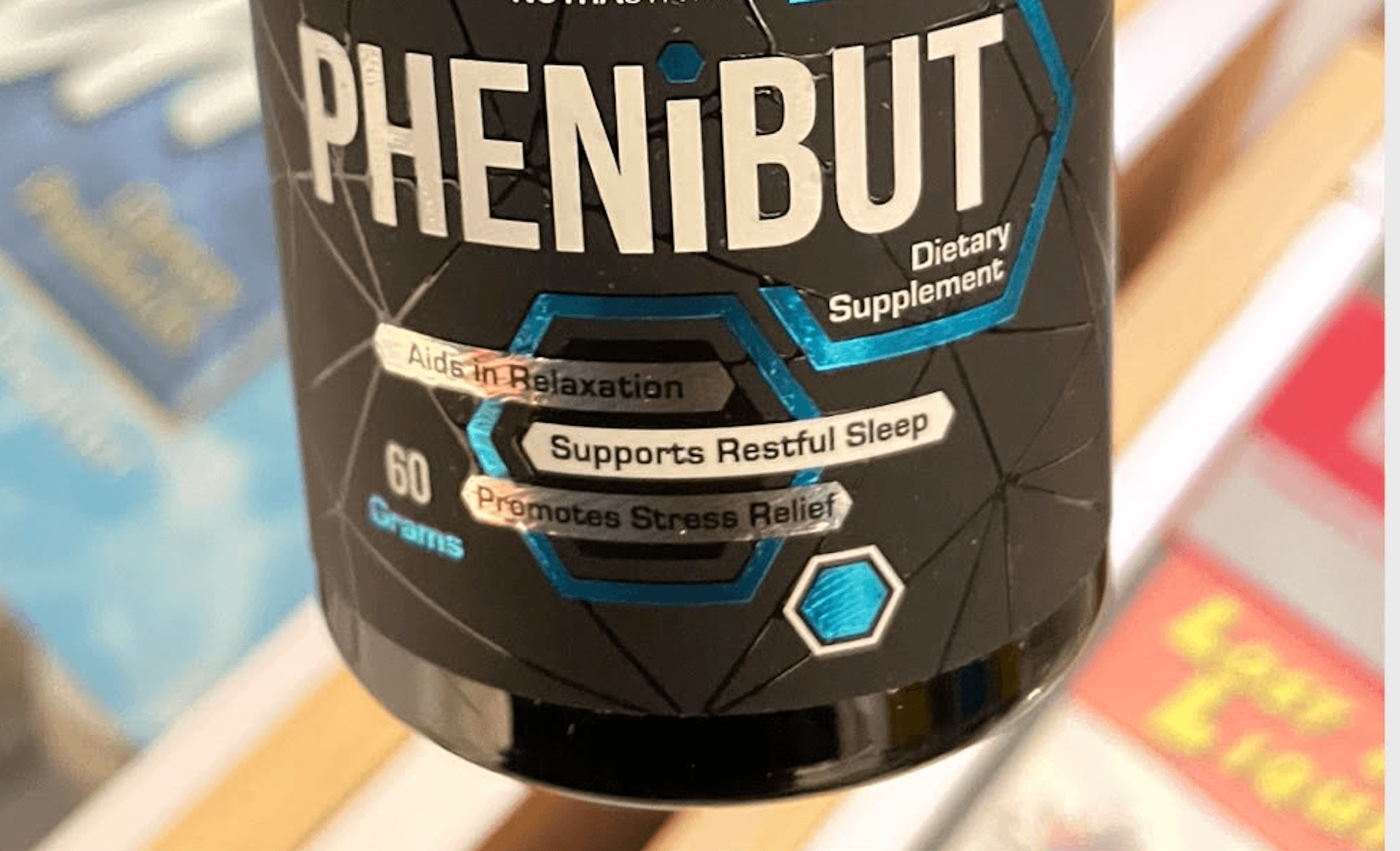
Phenibut withdrawal happens when the brain and body adapt to its effects, then react strongly once use is reduced or stopped. Here’s how it develops and why it can feel so severe:
Dependence through GABA receptor adaptation
Phenibut works by stimulating GABA receptors, the same pathways responsible for calming the nervous system. With regular use, the brain reduces its natural GABA activity and becomes reliant on Phenibut to maintain balance. This adaptation is what creates dependency over time.Why does sudden cessation cause withdrawal?
When someone stops taking Phenibut abruptly, the brain is left without adequate GABA activity. This imbalance triggers withdrawal symptoms such as anxiety, irritability, muscle tension, and insomnia. In more severe cases, hallucinations, panic attacks, or even seizures can occur, making professional medical support essential.Comparison with benzodiazepine withdrawal
The withdrawal experience is often compared to that of benzodiazepines, another class of sedatives that act on the GABA system. Both can cause intense anxiety, restlessness, and physical discomfort when stopped suddenly. However, Phenibut withdrawal may last longer and be less predictable due to its unregulated use and inconsistent dosing from online sources.
Phenibut withdrawal is not something to face alone. Recognizing its seriousness is the first step toward safe recovery and effective treatment.
Common Symptoms of Phenibut Withdrawal
Phenibut withdrawal can affect both the body and the mind, with symptoms ranging from uncomfortable to dangerously severe. Below are the most common experiences:
Physical symptoms
Many people experience noticeable changes in their bodies when stopping Phenibut. Tremors, insomnia, nausea, and a rapid heartbeat are frequently reported. These symptoms can make daily functioning difficult and add stress to an already overwhelming process.Psychological symptoms
The mental impact of withdrawal can be just as challenging as the physical. Anxiety often spikes, leading to panic attacks and restlessness. Some individuals also report depression, irritability, and mood swings that strain personal relationships and reduce motivation to continue recovery.Severe cases
In more extreme situations, withdrawal can escalate to life-threatening symptoms. Hallucinations, confusion, and suicidal thoughts have been documented in those with heavier or long-term use. These severe effects highlight the importance of seeking medical supervision rather than attempting to quit alone.
Recognizing these symptoms early can help you or your loved one prepare for the challenges ahead and seek professional care. Recovery is possible, but safety must come first.
Are You Struggling with Mental Health or Addiction?
We Can Help. Call Us Now!
CALL: 877-839-1772
Why Phenibut Withdrawal Can Be Dangerous

Phenibut withdrawal is not only uncomfortable but can also become dangerous if it is not managed properly. The risks below explain why medical supervision is critical.
Severe rebound anxiety or psychosis
Because Phenibut acts on the GABA system, stopping suddenly can cause the brain to rebound into a state of overactivity. This can result in overwhelming anxiety, paranoia, or even psychotic episodes. These symptoms may come on quickly and feel unmanageable without professional help.Potential for seizures
In cases of heavy or prolonged use, the brain becomes highly dependent on Phenibut. Abrupt cessation leaves the nervous system unprotected, which can trigger seizures. Seizures are medical emergencies that require immediate attention and highlight the dangers of attempting withdrawal without supervision.The role of tapering under medical care
A gradual taper, guided by medical professionals, allows the brain to slowly readjust to normal GABA activity. This reduces the risk of severe anxiety, psychosis, or seizures. It also helps manage physical symptoms and provides stability during the early stages of recovery.
Phenibut withdrawal is not something to face on your own. With medical oversight and a structured taper, the risks can be minimized, and the path to recovery becomes much safer.
Stages of Recovery From Phenibut Withdrawal
Recovery from Phenibut withdrawal is a process that unfolds in stages. Each stage is designed to ensure safety, healing, and long-term stability.
Medical stabilization
The first stage focuses on reducing immediate health risks. A safe tapering schedule is created by medical professionals to lower Phenibut use gradually. Symptoms such as insomnia, tremors, and anxiety are monitored and managed. Continuous medical oversight ensures that complications like seizures or psychosis do not develop.Therapeutic care
Once stabilized, the next step addresses the psychological impact of withdrawal. Counseling helps individuals work through anxiety, sleep disturbances, and mood changes. Therapy also supports mental health stabilization, providing tools to manage stress and prevent relapse during the vulnerable early recovery phase.Long-term recovery
The final stage involves building resilience for the future. This may include ongoing therapy, support groups, and relapse prevention strategies tailored to personal triggers. Healthy routines, lifestyle changes, and coping skills strengthen long-term sobriety and reduce the likelihood of falling back into dependency.
Recovery is not only about stopping Phenibut use but also about creating lasting change. With the right support, each stage leads to greater stability and confidence in living free from dependency.
Are You Struggling with Mental Health or Addiction?
We Can Help. Call Us Now!
CALL: 877-839-1772
Treatment Approach at The Forge Recovery Center
At The Forge Recovery Center, our treatment approach to Phenibut withdrawal combines medical expertise with compassionate care. Each step is designed to ensure safety, comfort, and long-term recovery.
Comprehensive assessment
Recovery begins with a full medical and psychological evaluation. This helps our team understand the extent of dependency, overall health, and co-occurring mental health conditions. With this foundation, we can design the most effective treatment plan.Customized detox plan
A carefully monitored detox program is created for each client. Safe tapering schedules reduce the risk of severe symptoms, while ongoing medical supervision ensures comfort and stability throughout the withdrawal process.Evidence-based therapies
Counseling is a cornerstone of care. Therapies such as Cognitive Behavioral Therapy (CBT), Dialectical Behavior Therapy (DBT), and mindfulness practices help clients manage anxiety, improve sleep, and stabilize mental health without returning to Phenibut.Holistic support
Healing goes beyond detox and therapy. We integrate nutrition guidance, sleep hygiene practices, and stress management techniques to strengthen both the body and mind. These holistic supports help create sustainable routines for long-term wellness.
At The Forge Recovery Center, every treatment plan is personalized. Our goal is not only to help you safely overcome Phenibut withdrawal but also to equip you with the tools to build a healthier, more resilient life.
The Importance of Addressing Co-Occurring Conditions

Lasting recovery from Phenibut withdrawal often requires more than detox. Addressing co-occurring conditions is essential for true healing and relapse prevention.
Treating underlying mental health challenges
Many people turn to Phenibut to manage anxiety, depression, or unresolved trauma. If these conditions are not treated, the urge to self-medicate may continue even after withdrawal. Professional therapy helps identify root causes and provides healthier ways to cope.Preventing replacement addiction
Without addressing co-occurring issues, there is a higher risk of replacing Phenibut with another substance. Developing healthier coping strategies through counseling, support groups, and stress management reduces this risk and builds emotional resilience.
Recovery is strongest when both dependency and underlying struggles are treated together. This approach ensures lasting stability and a healthier path forward.
Are You Struggling with Mental Health or Addiction?
We Can Help. Call Us Now!
CALL: 877-839-1772
Aftercare and Relapse Prevention
Completing detox and treatment is an important milestone, but ongoing aftercare is what strengthens long-term recovery. The right support system reduces the risk of relapse and builds confidence in life after Phenibut dependency.
Ongoing therapy and support groups
Continued counseling helps individuals work through triggers, stress, and emotional challenges that may surface after treatment. Support groups provide accountability and encouragement from peers who understand the recovery journey, offering both community and perspective.Alumni programs and regular check-ins
Staying connected to treatment professionals and peers through alumni programs reinforces progress. Regular check-ins provide opportunities to celebrate milestones, address setbacks early, and renew motivation. These connections keep recovery from feeling like an isolated process.Skills training for stress management
One of the most powerful tools in relapse prevention is learning how to manage stress without substances. Training in mindfulness, relaxation techniques, and healthy lifestyle habits helps replace old patterns with constructive coping mechanisms that promote resilience.
Aftercare ensures that recovery does not end with treatment but continues as a lifelong process. With ongoing support and relapse prevention strategies, lasting freedom from Phenibut dependency is possible.
Taking the First Step Toward Recovery
Phenibut withdrawal can feel overwhelming, but recovery is absolutely possible with the right care and support. At The Forge Recovery Center, we specialize in helping individuals overcome dependency through safe detox, therapy, and long-term recovery planning.
You do not have to face this journey alone. Our team is here to guide you every step of the way with compassion and expertise. If you or someone you love is struggling, reach out to The Forge Recovery Center today for confidential help. A healthier, stronger future is within reach.
Are You Struggling with Mental Health or Addiction?
We Can Help. Call Us Now!
CALL: 877-839-1772