Kratom Addiction Help


Struggling with dependence? Get trusted kratom addiction help through safe, evidence-based treatment. Learn how to break free and start your recovery with expert support.


Kratom may seem like a natural alternative for pain relief or mood support, but for many, it becomes a substance that’s hard to quit. If you’re searching for kratom addiction help, you’ve likely noticed how dependence can quietly take hold.
At The Forge Recovery Center, we understand how confusing and overwhelming this journey can feel. Whether you're using kratom yourself or concerned about a loved one, you're not alone, and there is a safe way forward. In this article, we will explain what kratom addiction looks like, how treatment works, and how to start breaking free with the right support.
What Is Kratom and Why Do People Use It?
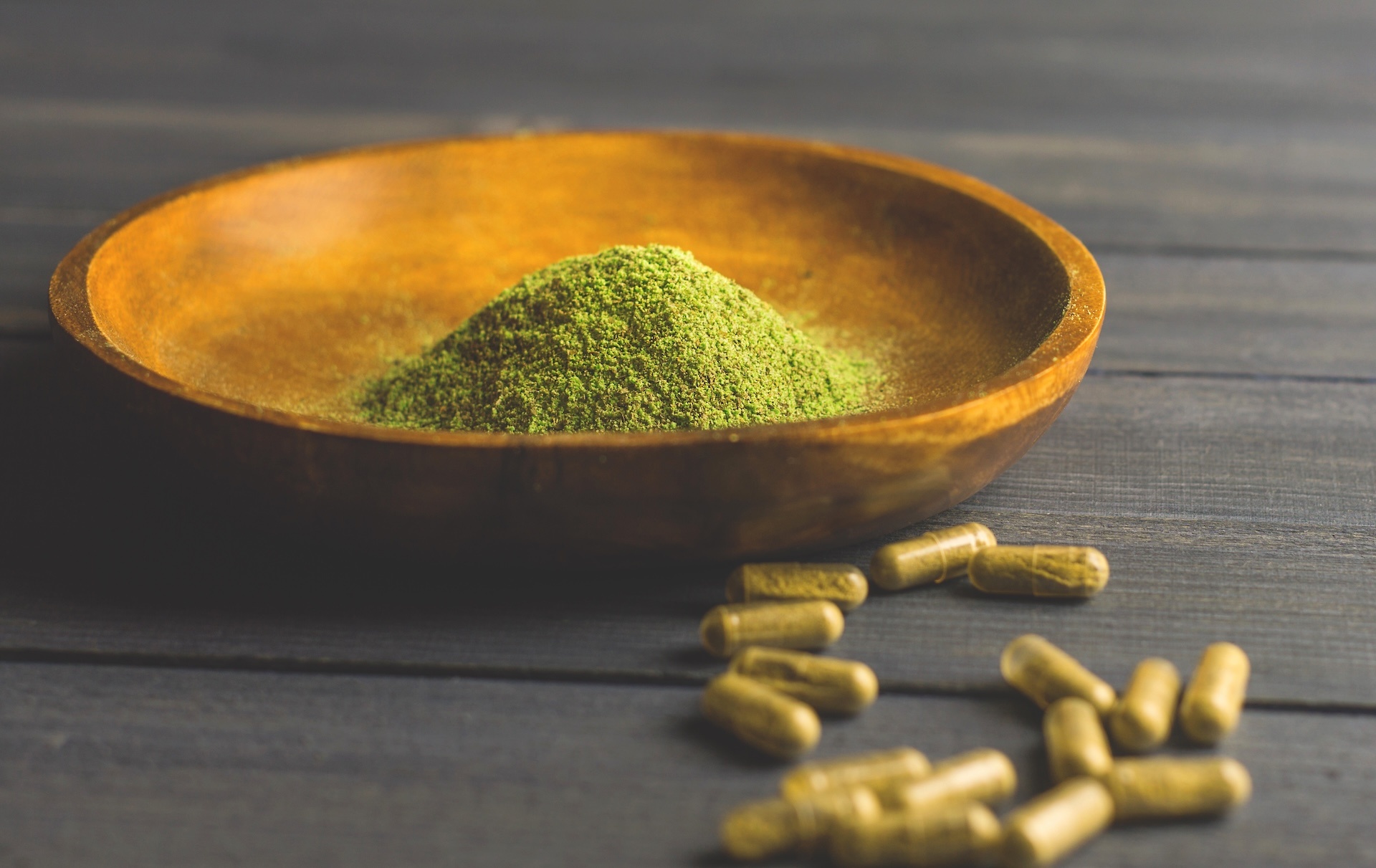
Kratom is often marketed as a natural remedy, but its effects can be powerful and addictive. Understanding what it is and why people use it is the first step toward recognizing when help may be needed.
What is kratom?
Kratom is a plant native to Southeast Asia. Its leaves are ground into powder or sold in capsules, teas, or extracts. Though legal in many areas, it has psychoactive properties that affect the brain like opioids.
Used for chronic pain
Many people turn to kratom for natural pain relief. Its active compounds interact with opioid receptors, producing pain-reducing effects similar to prescription painkillers.
Used for anxiety and depression
At lower doses, kratom can act as a stimulant, boosting mood and helping users feel more relaxed or socially confident. Some rely on it to manage mental health symptoms without professional treatment.
Used for energy or focus
Kratom can increase alertness and energy at small doses. It’s sometimes used as a productivity booster, especially by those looking to avoid traditional stimulants like caffeine or ADHD medication.
Used for self-managed opioid withdrawal
Some individuals use kratom to ease withdrawal symptoms from opioids. While it may provide short-term relief, it can also lead to a new form of dependence—trading one addiction for another.
Why it becomes a problem
What begins as self-medication can quickly spiral. Kratom’s opioid-like effects can cause both physical and psychological dependence, especially with daily use or increasing doses.
At The Forge Recovery Center, we understand how quickly kratom use can get out of control. If you’re seeking kratom addiction help, we offer safe, personalized support to help you regain control and rebuild your life.
Signs of Kratom Addiction
Recognizing the signs of kratom addiction can be difficult, especially when use begins with good intentions. But as dependence grows, the impact on daily life becomes harder to ignore. Here are the most common signs to watch for:
1. Needing more to feel the same effect
One of the earliest red flags is tolerance. If you’ve found yourself steadily increasing your dosage just to feel the same relief or energy, your body may already be dependent on kratom.
2. Using multiple times a day to avoid withdrawal
Many users do it several times a day, not to feel good, but to avoid withdrawal. This might include physical pain, irritability, or strong cravings between uses.
3. Feeling unable to function without it
If daily tasks like work, parenting, or socializing feel impossible without kratom, it's a strong indicator of psychological and physical dependence.
4. Experiencing emotional or physical distress when skipping doses
Withdrawal symptoms can include anxiety, restlessness, muscle aches, and digestive issues. These are signs your body has adapted to kratom and now relies on it to function.
5. Neglecting responsibilities or relationships
When kratom use starts taking priority over your job, health, or relationships, the substance is no longer helping—it’s controlling. Many people find themselves isolated or falling behind in life.
6. Failed attempts to quit or cut back
You may have tried to quit but couldn’t handle the withdrawal symptoms or stress without it. This cycle can be discouraging, but it is a clear sign that professional support is needed.
Are You Struggling with Mental Health or Addiction?
We Can Help. Call Us Now!
CALL: 877-839-1772
Kratom Withdrawal Symptoms and Risks
Kratom withdrawal can be surprisingly intense, especially for those who use it daily or in high doses. Symptoms often mimic those of opioid withdrawal, making it difficult to quit without help. Here's what to expect:
1. Muscle aches and body pain
As the body adjusts to the absence of kratom, users often report widespread aches and stiffness. These can make it hard to sleep, work, or even rest comfortably.
2. Insomnia and restlessness
Falling asleep without kratom becomes a struggle. Many experience racing thoughts, restless legs, and long nights of tossing and turning during the early stages of withdrawal.
3. Diarrhea and digestive issues
Stomach upset, nausea, and diarrhea are common. These physical symptoms can be draining, especially when combined with fatigue and dehydration.
4. Intense cravings
One of the most difficult aspects of kratom withdrawal is the overwhelming urge to use again. Cravings can be constant and often lead to relapse without professional support.
5. Anxiety and irritability
Mood swings, panic, and agitation are frequently reported. These psychological symptoms often peak a few days into withdrawal and can linger if left untreated.
6. Depression and fatigue
As the brain's chemistry readjusts, many people feel emotionally numb, unmotivated, or deeply tired. This low mood can make relapse feel like the only way to feel “normal” again.
7. Sweating and tremors
Chills, night sweats, and shaky hands may appear during withdrawal. These are signs that the nervous system is trying to stabilize after prolonged use.
Kratom withdrawal usually lasts between 3 to 10 days, but the discomfort can feel overwhelming. At The Forge Recovery Center, we provide safe, supportive care to help you manage symptoms and access real kratom addiction help without fear.
Why You Need Professional Kratom Addiction Help
Quitting kratom isn’t just about stopping the substance; it’s about managing the withdrawal, rebuilding your mental health, and learning how to live without relying on it. Here’s why professional kratom addiction help is often necessary:
1. Kratom withdrawal can be intense and unpredictable
While some symptoms are manageable, others, like severe anxiety, insomnia, or depression, can quickly escalate. Without support, it’s easy to feel overwhelmed and alone during this process.
2. Detoxing alone raises the risk of relapse
When symptoms peak, many people turn back to kratom just to feel relief. Without medical or emotional support, the chances of slipping back into use are high.
3. Medically monitored detox for safety
In a professional setting, doctors and nurses monitor your symptoms, provide medications to reduce discomfort, and ensure you stay hydrated and nourished. This support makes the process safer and more tolerable.
4. Mental health evaluation and dual-diagnosis care
Underlying mental health issues like anxiety, PTSD, or depression often contribute to kratom use. A treatment center can diagnose and treat both conditions, increasing your chance of lasting recovery.
5. Emotional stabilization and therapy
Therapists help you process the emotional ups and downs of withdrawal while teaching healthier ways to cope with stress, triggers, and daily life challenges.
6. Long-term planning and relapse prevention
A good program doesn’t stop at detox. It includes structured treatment, relapse prevention strategies, and life skills training to help you move forward with confidence.
Are You Struggling with Mental Health or Addiction?
We Can Help. Call Us Now!
CALL: 877-839-1772
What Kratom Addiction Treatment Looks Like
Kratom addiction treatment involves more than just detox; it’s a full process of physical stabilization, emotional healing, and long-term support. Here's what a typical treatment journey may look like:
1. Detox and stabilization
Treatment usually starts with short-term medical detox. Non-opioid or mild sedative medications may be used to manage withdrawal symptoms. Emotional support is also key during this phase to help reduce anxiety, restlessness, and cravings.
2. Inpatient or residential rehab
For those needing 24/7 support, inpatient rehab provides a structured, substance-free environment. Clients receive individual therapy, group counseling, and trauma-informed care. Focus is also placed on rebuilding healthy routines like sleep, nutrition, and daily structure.
3. Intensive Outpatient Programs (IOP)
IOP is ideal for those stepping down from inpatient care or who don’t require constant supervision. Clients attend several therapy sessions per week while continuing to live at home or in sober housing. This phase emphasizes relapse prevention and life-skills development.
4. Dual-diagnosis treatment
Many people struggling with kratom addiction also face mental health challenges such as anxiety, depression, or PTSD. Dual-diagnosis treatment addresses both conditions at once, improving the chances of long-term success and emotional balance.
5. Aftercare and relapse prevention
Recovery doesn’t end when treatment ends. Ongoing support includes regular therapy, peer groups, sober living options, and alumni programs. You’ll also learn how to manage cravings, identify triggers, and handle real-life stressors in healthy ways.
How The Forge Recovery Center Helps Clients Recover From Kratom Dependence
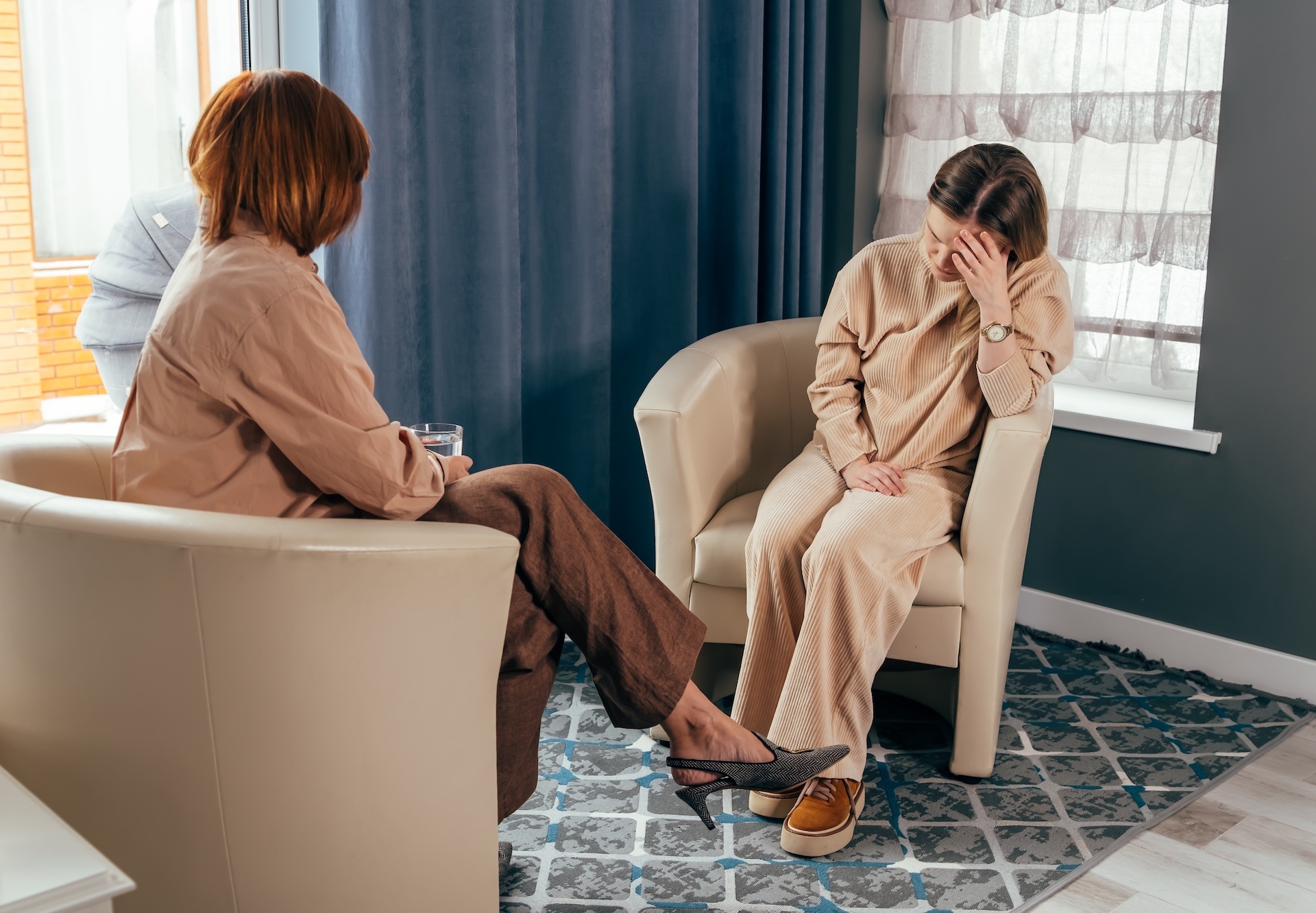
At The Forge Recovery Center, we understand that kratom addiction is unique, and so is every person who walks through our doors. Our approach is personalized, compassionate, and built for lasting recovery. Here's how we help clients break free from kratom dependence:
1. Tailored treatment plans
We don’t believe in one-size-fits-all care. Each client receives a customized treatment plan that addresses their physical health, emotional needs, and personal goals for recovery from kratom addiction.
2. Trauma-informed, holistic environment
Many people use kratom to cope with past trauma or mental health challenges. Our team uses trauma-informed care to create a safe, respectful space that promotes healing on every level—mind, body, and spirit.
3. Medical detox partnerships
For clients experiencing intense withdrawal, we work closely with trusted medical detox partners to ensure a safe, supervised start to the recovery process. We coordinate care so the transition into treatment is seamless.
4. Dual-diagnosis support
Our licensed clinicians are trained to treat both substance use and mental health conditions together. Whether it's anxiety, depression, or PTSD, we help clients heal from both the addiction and the underlying issues driving it.
5. Long-term recovery focus
Recovery doesn’t end with detox or even after rehab. We guide clients through outpatient care, relapse prevention, life-skills building, and aftercare planning to support sustainable progress.
6. Compassionate care every step of the way
From your first call to long after treatment ends, our team is committed to your success. We provide consistent, empathetic support at every stage of your journey.
If you’re ready for real kratom addiction help, The Forge Recovery Center is here to walk with you toward lasting freedom.
Are You Struggling with Mental Health or Addiction?
We Can Help. Call Us Now!
CALL: 877-839-1772
Conclusion: You Don’t Have to Fight This Alone
Kratom addiction may feel isolating, but you're not alone, and you don't have to stay stuck. Recovery is possible with the right care, structure, and support. At The Forge Recovery Center, we specialize in helping individuals break free from dependence and build meaningful, sober lives.
If you're searching for kratom addiction help, we offer a safe, personalized path forward. From detox coordination to long-term therapy and aftercare, we're here for you every step of the way. Reach out today and take the first step toward lasting freedom and healing.
Are You Struggling with Mental Health or Addiction?
We Can Help. Call Us Now!
CALL: 877-839-1772