How Long Does Kratom Stay In Your System? Detection & Timeline Guide
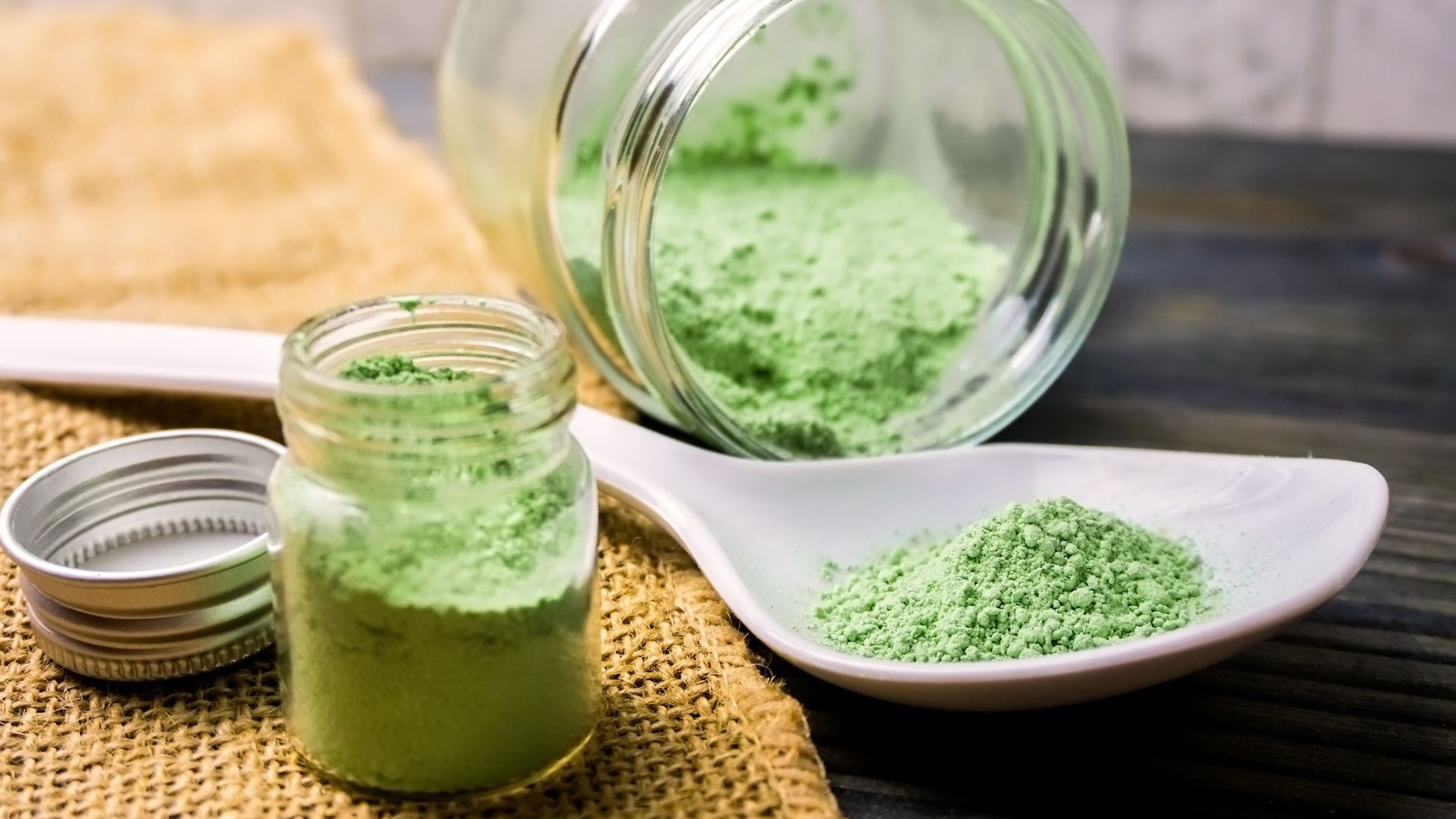

How long does kratom stay in your system? Learn about kratom detection times, drug test types, and the factors that influence how long it remains in your body.


Kratom is often marketed as a natural remedy for pain, energy, or anxiety, but it can also become habit-forming and difficult to quit. If you or someone you love is struggling with kratom use, you may be wondering, How long does kratom stay in your system? Understanding detection timelines is important, especially when considering treatment, managing withdrawal, or preparing for drug testing. At The Forge Recovery Center, we help individuals recover from all forms of substance use, including kratom.
In this article, we will explain kratom’s half-life, detection windows, and the key factors that influence how long it stays in your body.
What Is Kratom and How Does It Affect the Body?
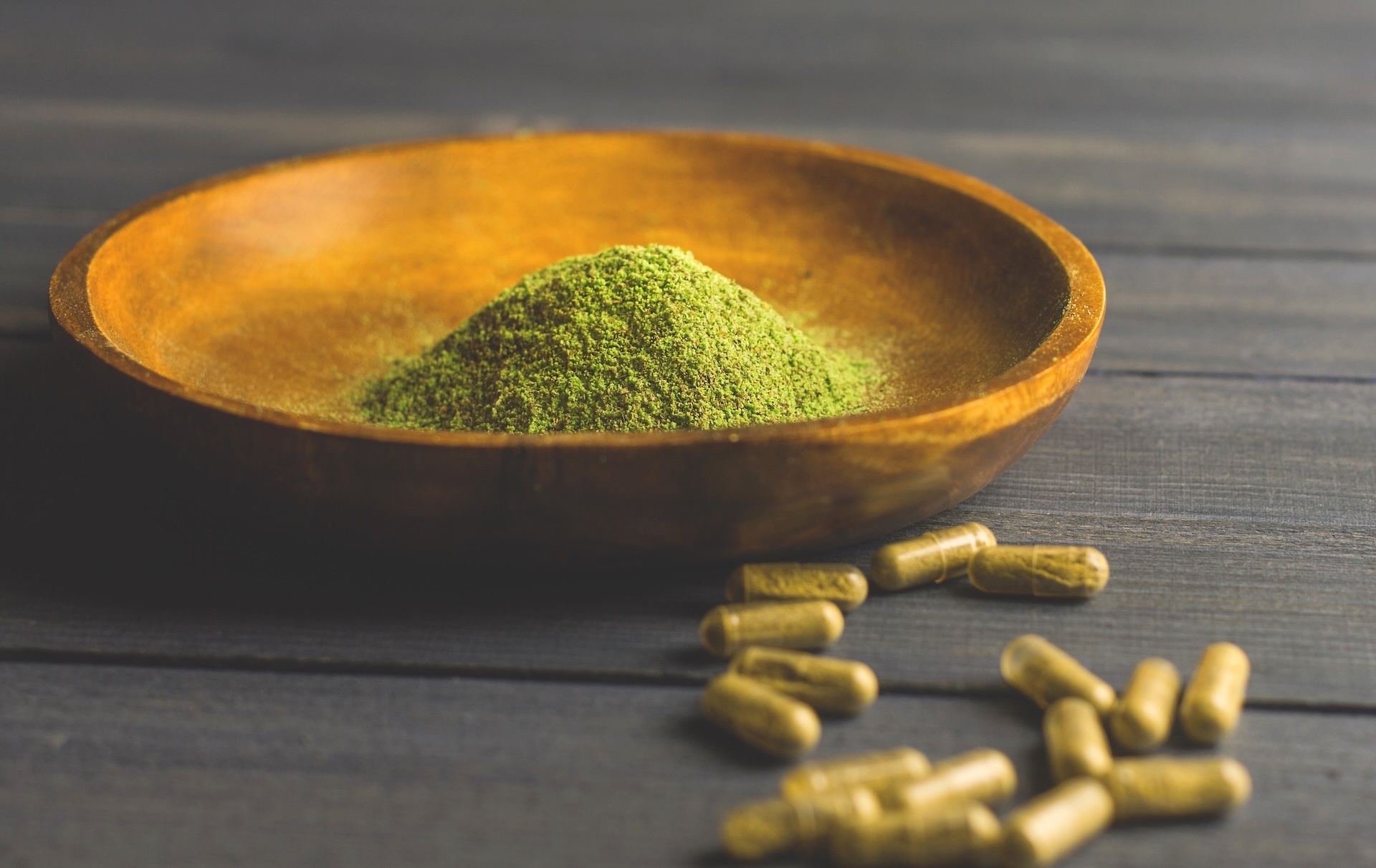
Kratom is often marketed as a legal, plant-based alternative for pain relief or mood enhancement, but its effects on the body can be complex and unpredictable. Understanding how it works helps clarify why it can become addictive.
Here’s what you need to know:
1. Derived from a Southeast Asian tree
Kratom comes from the leaves of the Mitragyna speciosa tree, native to countries like Thailand, Malaysia, and Indonesia. Traditionally, it was used in small doses for energy or to manage pain.
2. Acts on the brain’s opioid receptors
Despite being a plant, kratom binds to the same opioid receptors as drugs like morphine or heroin. At low doses, it may act as a stimulant. At higher doses, it has sedative and euphoric effects, similar to opioids.
3. Can cause dependency and withdrawal
Frequent kratom use can lead to tolerance, meaning users need more to feel the same effects. Over time, physical dependence develops. Withdrawal symptoms, like muscle aches, mood swings, insomnia, and nausea, are similar to those seen with opioid withdrawal.
4. Often used to self-medicate
Many people turn to kratom to manage chronic pain, anxiety, or even to ease withdrawal from other substances. But without medical guidance, this use can quickly spiral into regular dependence.
5. Not as harmless as it seems
Though it's available over the counter in some areas, kratom is not without risk. It has been linked to hospitalizations, especially when combined with other drugs or alcohol.
Understanding how kratom interacts with your body is the first step toward making informed decisions about its use or seeking help if dependency has already developed.
Detection Timeline: How Long Does Kratom Stay in Your System?
If you're concerned about drug testing or planning for treatment, knowing how long kratom stays in your system can help you prepare and make informed choices. Kratom’s detectability depends on several factors, including the type of test and your usage pattern.
Here’s what to expect:
1. Half-life of mitragynine: 7 to 24 hours
Mitragynine, the primary active compound in kratom, has a half-life that can range widely. It takes several half-lives for a substance to fully clear from the body, meaning kratom may stay in your system for multiple days.
2. Urine tests: 5 to 7 days
Urine testing is the most common method used for detecting kratom. For moderate to heavy users, it can show up in a test for nearly a week after the last dose. Infrequent users may clear it more quickly.
3. Blood tests: up to 24 hours
Kratom appears in the bloodstream shortly after use but doesn’t stay long. Blood tests are generally used for recent use detection, often within the first day.
4. Saliva tests: 1 to 2 days
Though not common for kratom, saliva tests can detect its presence within a short window, typically 24 to 48 hours after use.
5. Hair tests: up to 90 days
Hair follicle tests offer the longest detection window. While rarely used for kratom, they can detect drug use up to three months after ingestion if tested.
Kratom's detection timeline can vary based on metabolism, dosage, frequency of use, and overall health. If you're considering detox or support, professional guidance can help ensure a safer, more effective transition.
Are You Struggling with Mental Health or Addiction?
We Can Help. Call Us Now!
CALL: 877-839-1772
Factors That Influence Kratom Elimination
There’s no one-size-fits-all answer for how long kratom stays in the body. Several biological and lifestyle factors determine the speed at which your system can process and eliminate it. Below are the most influential ones:
1. Dosage and frequency of use
The more kratom you take, and the more often you take it, the longer it will remain in your system. Regular users may experience longer detection times than someone who has only used kratom occasionally.
2. Type of kratom strain
Different strains have slightly different alkaloid profiles. Red vein kratom tends to be more sedating and may have a longer effect duration compared to white or green strains, which can impact how long it stays in your body.
3. Metabolism and liver function
Your body’s ability to break down substances is largely dependent on liver health and metabolic rate. A faster metabolism will typically eliminate kratom more quickly, while impaired liver function can slow down the process.
4. Age, hydration, and overall health
Younger individuals often metabolize substances faster than older adults. Proper hydration supports kidney function and helps flush toxins, while body fat levels and general health can also impact elimination speed.
5. Co-use with other substances
Taking kratom alongside other substances, especially depressants like alcohol or benzodiazepines, can interfere with how your body processes each one. This can slow down elimination and increase the risk of interactions or complications.
Why People Want to Know: Kratom, Testing & Recovery
Kratom often raises questions because it straddles the line between a legal supplement and a potentially addictive substance. People ask about detection timelines for a few key reasons. Understanding these concerns can help you make informed decisions about your health, employment, or recovery journey.
1. Pre-employment or probation drug tests
Many individuals are worried about kratom showing up on drug screens required for work or legal obligations. While kratom is not typically detected in standard 5-panel tests, some employers or agencies may request specialized testing that targets substances like mitragynine.
2. Preparing for treatment or rehab
People entering addiction treatment programs often want to know how long kratom stays in the system so they can prepare for detox and withdrawal. Knowing what to expect can help you communicate honestly with your treatment team and avoid complications during intake.
3. Planning a detox or taper
If you’re trying to quit kratom at home or with professional help, understanding its half-life and elimination timeline can help guide your tapering strategy. This can reduce the risk of withdrawal symptoms and improve safety.
4. Clarifying misconceptions
There is a lot of confusion about kratom and drug testing. It’s not included in most routine tests, but certain labs, especially in medical or legal settings, can test for it if requested. This is especially important to know if you’re trying to stay compliant with a program.
No matter your reason, knowing when kratom might still be detectable is an important part of managing your health, legal standing, or recovery process. Professional guidance can help you move forward safely and confidently.
Are You Struggling with Mental Health or Addiction?
We Can Help. Call Us Now!
CALL: 877-839-1772
Kratom Withdrawal and the Path to Detox
Kratom withdrawal can be uncomfortable, especially for those who have used it regularly over a long period. While not usually life-threatening, the symptoms are real and can disrupt your physical and emotional well-being. Here’s what to expect and how to navigate detox safely.
1. Common withdrawal symptoms
People coming off kratom often experience anxiety, depression, muscle aches, sweating, irritability, and insomnia. These symptoms can feel similar to mild opioid withdrawal and may cause distress without support.
2. Timeline of withdrawal
Withdrawal symptoms usually begin within 12 to 24 hours after the last dose. The peak discomfort tends to occur around days two to three, with most physical symptoms easing by day five to ten. Emotional symptoms like anxiety or depression can linger longer in some individuals.
3. Is medical detox required?
Unlike substances such as benzodiazepines or alcohol, kratom withdrawal is not typically dangerous. However, professional support can make the process safer and more manageable. Clinical detox may be recommended for individuals with co-occurring mental health issues or a history of relapse.
4. Tapering vs. quitting cold turkey
For long-term users, a tapering plan may reduce the severity of withdrawal. Tapering involves gradually reducing the kratom dose over time, which lowers the shock to the nervous system. This approach is best guided by a healthcare provider or recovery specialist.
5. Why support matters
Withdrawal can trigger emotional vulnerability and cravings. Having professional support, through therapy, medical guidance, or a structured recovery program, can increase your comfort and help you avoid setbacks.
Treatment Options for Kratom Dependency
Recovering from kratom dependency involves more than just stopping use. It requires understanding the root causes, building healthier habits, and accessing the right level of care. Here are the most effective treatment paths available for kratom recovery:
1. Outpatient Treatment
Outpatient programs offer a flexible way to access professional care while maintaining your daily responsibilities. These programs include scheduled therapy sessions, group support, and relapse prevention education without requiring an overnight stay.
2. Intensive Outpatient Program (IOP)
IOP is ideal for individuals who need more structure than outpatient therapy alone. You attend multiple sessions per week, focusing on deeper recovery work, including coping skills, emotional regulation, and peer support. IOP allows you to return home each day while staying connected to a clinical care team.
3. Cognitive Behavioral Therapy (CBT) and Trauma Therapy
CBT helps you identify and replace the thought patterns that lead to kratom use. If past trauma plays a role in your substance use, trauma-focused therapy can support long-term healing by helping you process emotional pain in a safe environment.
4. Holistic Support Services
Recovery isn’t just mental. Nutrition counseling, sleep hygiene strategies, and mindfulness practices all help restore physical balance and reduce cravings. These holistic therapies support your body and brain as you heal from kratom’s effects.
5. Dual Diagnosis Care
If you’re struggling with anxiety, depression, or PTSD alongside kratom use, dual diagnosis treatment is essential. This approach ensures both mental health and substance use issues are treated together, improving your chances of lasting recovery.
Are You Struggling with Mental Health or Addiction?
We Can Help. Call Us Now!
CALL: 877-839-1772
How The Forge Recovery Center Can Help

Kratom recovery requires more than just willpower. You need the right environment, the right team, and a plan built around your unique situation. At The Forge Recovery Center, we provide targeted, compassionate care for those seeking freedom from kratom use. Here’s how we support you:
1. A Safe Place to Detox and Heal
Whether you are using kratom alone or alongside other substances, we provide a judgment-free, structured space where you can safely begin the detox process. Our team monitors your symptoms and offers support to reduce discomfort and stabilize your system.
2. Experts in Kratom Withdrawal
Many treatment centers overlook the complexity of kratom use. At The Forge Recovery Center, our clinical staff understands the unique withdrawal symptoms associated with this plant and how to manage them effectively through therapy, nutrition, and medical coordination.
3. Personalized Treatment Plans
No two recoveries are the same. We tailor your care plan to address not only the physical symptoms of withdrawal but also the emotional and psychological challenges that may be contributing to kratom use. This ensures a more complete and lasting recovery.
4. Long-Term Support and Relapse Prevention
Recovery does not stop after detox. Our program includes comprehensive aftercare planning, relapse prevention strategies, alumni check-ins, and connections to local recovery groups. We make sure you leave with the tools and confidence to stay sober.
At The Forge Recovery Center, you are not just a case; you are a person with a future. Our mission is to help you reach it, one step at a time.
Conclusion: It’s Not Just About Detection — It’s About Direction
Knowing how long kratom stays in your system is important, but real recovery goes far beyond timelines and detection windows. If you're finding it hard to stop or starting to feel trapped by your use, you’re not alone. At The Forge Recovery Center, we understand the complexities of kratom dependency. Our team provides expert care, safe detox support, and ongoing treatment to help you reclaim your health and peace of mind.
You don’t have to do this alone. Reach out today, your recovery starts with a single, supported step forward.
Are You Struggling with Mental Health or Addiction?
We Can Help. Call Us Now!
CALL: 877-839-1772