Dual Diagnosis Treatment Orange County – Integrated Treatment Programs


Discover comprehensive dual diagnosis treatment Orange County residents trust. Integrated care for mental health and substance use in a recovery-focused setting.


Many people living with addiction also face mental health challenges like anxiety, depression, trauma, or bipolar disorder. Addressing only one issue often leads to relapse or incomplete recovery. That’s why integrated care is essential. If you're searching for dual diagnosis treatment Orange County, you're looking for lasting change, support that treats the whole person, not just the symptoms. At The Forge Recovery Center, we specialize in treating co-occurring disorders with compassion, structure, and evidence-based care.
In this article, we will explore what dual diagnosis treatment involves, why it matters, and how to find the right program for your recovery journey.
What Is Dual Diagnosis?
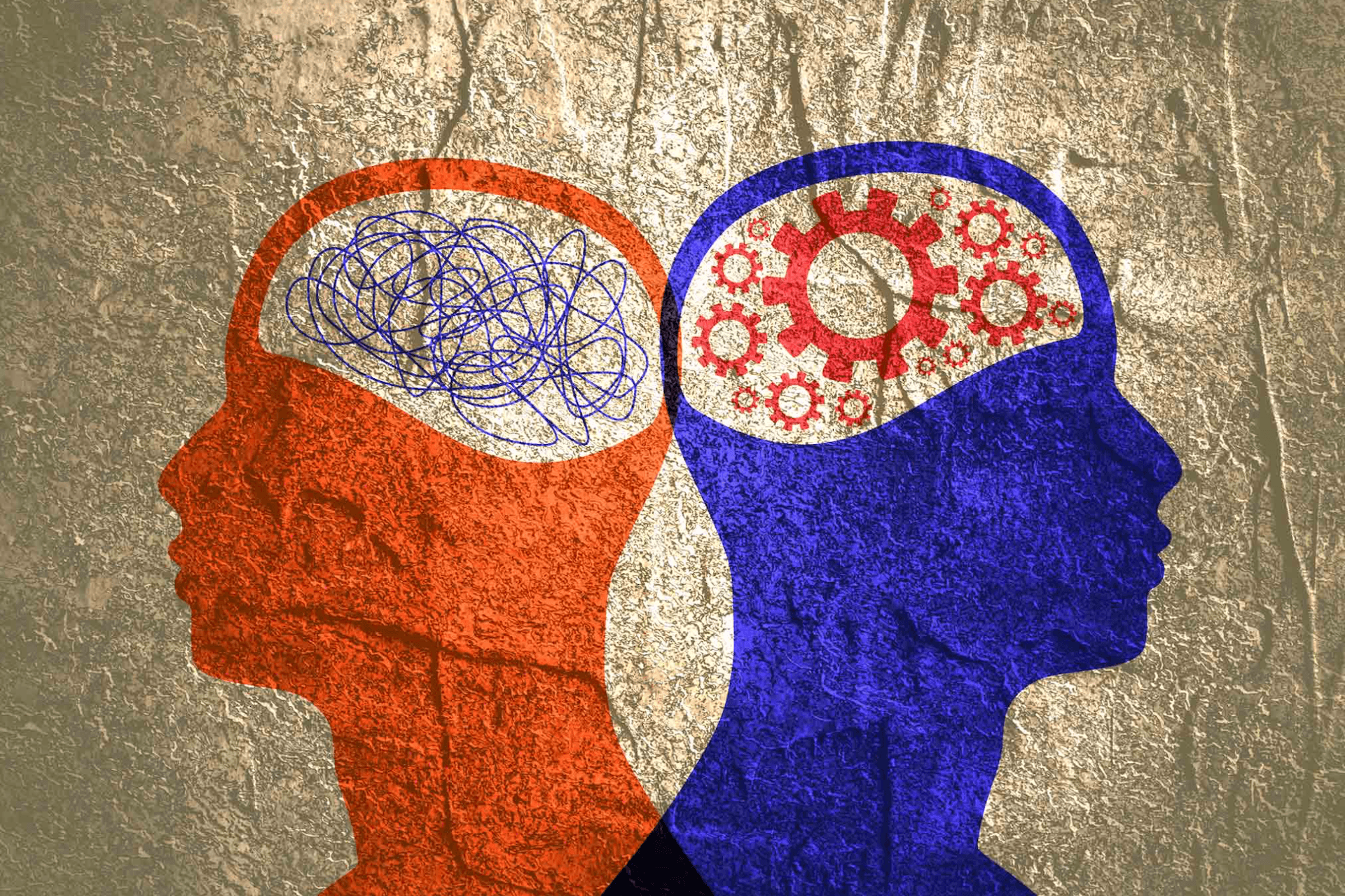
Dual diagnosis refers to when a person is dealing with both a substance use disorder and a mental health condition at the same time. These conditions often interact, making recovery more complex, but also more urgent.
Here’s what defines dual diagnosis:
1. Co-Occurring Disorders
Dual diagnosis means you are managing two conditions simultaneously. These are not separate struggles. One often worsens the other, which is why they must be treated together.
2. Alcohol Use and Depression
Drinking can temporarily numb feelings of sadness, but it often deepens depressive symptoms over time. This combination is common and can make both conditions harder to treat without professional support.
3. Opioid Addiction and PTSD
People living with trauma may use opioids to escape emotional pain. Over time, this coping strategy turns into dependency, creating a dangerous cycle that requires trauma-informed care.
4. Meth Use and Bipolar Disorder
Stimulants like meth can intensify manic or depressive episodes, leading to instability, impulsive behavior, and difficulty maintaining routines or relationships.
5. Cannabis Dependence and Anxiety
Many use cannabis to manage anxiety, but overuse can increase paranoia, worsen symptoms, and interfere with daily functioning, especially in younger adults.
6. One Condition Feeds the Other
The biggest challenge with dual diagnosis is how closely the conditions are linked. Substance use can mask or amplify mental health symptoms, while untreated mental illness can trigger relapse.
7. Integrated Treatment Is Essential
Treating only one condition will not lead to long-term recovery. Dual diagnosis requires an integrated approach that addresses both mental health and substance use in a coordinated plan.
At The Forge Recovery Center, we specialize in dual diagnosis care that targets the root causes and supports healing on every level.
Signs You May Need Dual Diagnosis Treatment
When addiction and mental health issues overlap, it can be difficult to tell where one ends and the other begins. If you’re facing both, traditional approaches may not be enough. Recognizing the signs can help you get the right kind of support.
Here are key indicators you may need dual diagnosis treatment:
1. Using Substances to Cope Emotionally
If you use drugs or alcohol to numb pain, escape anxiety, or manage depression, it may signal an underlying mental health issue driving your substance use. This pattern often creates a cycle of dependency.
2. Relapsing Despite Efforts to Get Sober
Repeated relapses after detox or rehab may indicate untreated mental health symptoms that are not being addressed. Without managing these symptoms, staying sober becomes increasingly difficult.
3. Mood Swings or Anxiety Linked to Use or Withdrawal
Experiencing extreme emotions, paranoia, panic attacks, or mood swings, especially during substance use or withdrawal, can be a red flag. These may point to conditions like bipolar disorder, PTSD, or generalized anxiety disorder.
4. History of Trauma or Psychiatric Diagnosis
A past diagnosis of depression, anxiety, trauma, or any other mental health condition, especially if paired with psychiatric medications, can increase your risk for substance misuse. Dual diagnosis care is often the most effective path forward.
5. Struggling With Therapy or 12-Step Programs Alone
If individual therapy or support groups are not helping you make progress, it may be because one part of your condition is being missed. Dual diagnosis treatment looks at the whole picture and connects the dots.
Are You Struggling with Mental Health or Addiction?
We Can Help. Call Us Now!
CALL: 877-839-1772
Why Integrated Care Matters
When mental health and addiction are treated separately, key symptoms can be overlooked, and long-term recovery becomes harder to maintain. Integrated care ensures both challenges are addressed together for lasting, meaningful results.
Here’s why integrated treatment is essential for dual diagnosis:
1. Traditional Programs May Miss the Full Picture
Treating only substance use or only mental health can leave major gaps in care. For example, untreated trauma may drive relapse, or substance use may mask serious symptoms like depression or anxiety.
2. Coordinated Care From Specialists
In dual diagnosis programs, you receive support from both mental health and addiction professionals who collaborate on your treatment. This coordination helps ensure nothing is missed or treated in isolation.
3. One Plan, One Team
Integrated care means your treatment plan is cohesive. Instead of bouncing between different providers, you work with one team aligned around the same goals. This makes your care clearer and more consistent.
4. Simultaneous Focus on Recovery and Emotional Health
You don’t have to choose between treating your addiction and improving your mental health. Integrated care allows both to be addressed at once, helping you feel more stable and supported throughout recovery.
5. Better Outcomes and Long-Term Success
Research shows that integrated care leads to better recovery outcomes. When the whole person is treated, relapse rates drop, emotional regulation improves, and individuals build stronger foundations for lasting wellness.
6. Personalized, Ongoing Support
Integrated care adapts with you. As your needs change, your care plan adjusts, keeping you on track toward recovery without losing momentum.
At The Forge Recovery Center, integrated care is at the heart of our dual diagnosis treatment. We treat the whole you, not just the symptoms, to help you build a life that lasts.
What Dual Diagnosis Treatment Looks Like

Dual diagnosis treatment is structured to address both mental health and substance use at the same time. It involves a blend of clinical services, personal support, and long-term planning to promote healing on every level.
Here is what to expect from a dual diagnosis treatment program:
1. Comprehensive Evaluation
The process begins with a full psychiatric and substance use assessment. This helps identify co-occurring conditions, past treatments, and current challenges so your care team can develop a personalized plan.
2. Individual Therapy
One-on-one sessions are tailored to your needs using approaches like Cognitive Behavioral Therapy (CBT), Dialectical Behavior Therapy (DBT), and trauma-informed care. These sessions target both emotional struggles and substance-related behaviors.
3. Medication Management
If needed, medications such as antidepressants, mood stabilizers, or non-addictive anxiety treatments may be prescribed. These are carefully monitored and adjusted to support both mood and recovery.
4. Group Therapy
You will participate in group sessions that focus on shared experiences around addiction and mental health. These groups build peer support, reduce isolation, and help practice coping strategies in a safe space.
5. Family Involvement
Family education and communication workshops help loved ones understand dual diagnosis, reduce enabling behaviors, and create a more supportive home environment for recovery.
6. Relapse Prevention Training
You will learn how to identify emotional, environmental, and behavioral triggers. This training builds tools for managing stress and reducing the risk of relapse on both the mental health and addiction fronts.
7. Aftercare Planning
Treatment includes a clear plan for ongoing support after discharge. This may include continued therapy, alumni support groups, sober living options, and mental health check-ins.
At The Forge Recovery Center, dual diagnosis care is more than treatment; it is a complete path to recovery, stability, and a better life.
Are You Struggling with Mental Health or Addiction?
We Can Help. Call Us Now!
CALL: 877-839-1772
Conditions Commonly Treated in Dual Diagnosis Programs
Many people struggling with addiction are also managing a mental health condition, even if they have not been formally diagnosed. Dual diagnosis treatment programs are designed to treat these complex combinations together, which leads to a more effective recovery.
Here are some of the most common co-occurring conditions treated in dual diagnosis care:
1. Depression and Alcoholism
Alcohol is often used to numb emotional pain, but it can deepen depression over time. Dual diagnosis treatment addresses the chemical dependency while helping clients build healthier ways to manage low mood and emotional distress.
2. Generalized Anxiety and Marijuana Dependence
Many individuals use marijuana to calm chronic worry or panic. Over time, this pattern can become dependent. Treatment focuses on reducing anxiety without relying on substances, using therapy and lifestyle changes.
3. Bipolar Disorder and Stimulant Abuse
People with bipolar disorder may use stimulants during depressive episodes or experience worsened mania while using them. Integrated care is essential to stabilize mood and reduce risky substance use patterns.
4. PTSD and Opioid Addiction
Trauma survivors sometimes turn to opioids to block intrusive memories or emotional pain. Dual diagnosis treatment helps process trauma safely while tapering or eliminating opioid use.
5. Borderline Personality Disorder and Alcohol or Polysubstance Use
Emotional dysregulation and impulsivity are core traits of BPD. When combined with substance use, the risk of harm increases. Dual diagnosis programs offer emotional regulation training alongside addiction recovery support.
6. Schizophrenia with Substance Use
This combination requires a higher level of psychiatric care. Individuals with schizophrenia may use drugs to manage symptoms, but the result is often increased instability. Treatment focuses on medication, structure, and close supervision.
Why Choose Dual Diagnosis Treatment in Orange County?
Orange County is one of the leading regions in the United States for mental health and addiction treatment. Its unique combination of expert care, recovery resources, and calming environments makes it an ideal place to begin or continue your healing journey.
Here are the key reasons to consider dual diagnosis treatment in Orange County:
1. Access to Top-Tier Clinicians
Orange County is home to highly trained mental health professionals and addiction specialists. Many have experience treating complex co-occurring disorders and use the latest evidence-based therapies to support long-term recovery.
2. Multiple Levels of Care
Whether you need full-time support or flexible scheduling, Orange County offers a range of treatment settings. These include outpatient programs, intensive outpatient programs (IOP), partial hospitalization programs (PHP), and residential care.
3. Healing Environments That Support Wellness
Surrounded by beaches, nature trails, and sunny weather, Orange County offers a calming backdrop for recovery. Many treatment centers incorporate mindfulness, exercise, and holistic practices into their programs to promote mental and emotional balance.
4. Strong Local Recovery Community
The area hosts hundreds of support groups, sober living communities, and alumni networks. This community support creates ongoing opportunities for connection, accountability, and long-term success after formal treatment ends.
5. Nationally Recognized Treatment Hub
Orange County is known across the country for its high standards in behavioral healthcare. Many people travel here for access to trusted programs and comprehensive dual diagnosis care.
6. Integrated, Compassionate Approach
Facilities in Orange County prioritize whole-person healing. Dual diagnosis care focuses on both mental health and addiction, ensuring that clients receive the coordinated support they need to thrive.
Are You Struggling with Mental Health or Addiction?
We Can Help. Call Us Now!
CALL: 877-839-1772
The Forge Recovery Center’s Dual Diagnosis Approach

At The Forge Recovery Center, we believe that treating addiction without addressing underlying mental health struggles leads to incomplete recovery. That is why our dual diagnosis program is fully integrated, individualized, and focused on long-term healing.
Here’s how our approach supports clients with co-occurring disorders:
1. Integrated Assessments for Every Client
Each client begins with a full mental health and addiction evaluation. This ensures that both conditions are identified early, allowing our team to create a personalized and effective treatment plan from day one.
2. Evidence-Based Therapies
We use proven therapies such as Cognitive Behavioral Therapy (CBT), Dialectical Behavior Therapy (DBT), and trauma-informed approaches. These methods help clients work through anxiety, depression, PTSD, and more while building skills for sobriety.
3. 12-Step and Non-12-Step Recovery Paths
Clients are never forced into one recovery model. We offer both 12-step programs and alternative approaches to meet individual preferences and beliefs. The goal is to create a recovery path that feels authentic and sustainable.
4. Medication-Supported Treatment When Needed
For clients who benefit from psychiatric support, we provide medication management as part of a broader treatment plan. Medications are used thoughtfully and monitored closely by our clinical team.
5. Emphasis on Trust and Emotional Safety
Healing begins with feeling safe. Our therapists and staff work to build strong, trusting relationships with clients, creating an environment where honest growth and emotional processing can take place.
6. Adaptive Outpatient Care
We offer flexible outpatient programs that adjust to each client’s progress. Whether you are stepping down from a higher level of care or starting with us directly, our programs evolve to match your needs.
At The Forge Recovery Center, our dual diagnosis approach is built on compassion, clinical excellence, and a deep commitment to lasting recovery.
Conclusion: You Deserve Complete, Compassionate Care
If you’ve been working on your addiction but still feel like something’s missing, untreated mental health challenges may be holding you back. At The Forge Recovery Center, our dual diagnosis treatment in Orange County is designed to address both addiction and mental health together, because real healing requires a full picture. Whether you're facing anxiety, depression, trauma, or bipolar disorder alongside substance use, we provide the integrated care you need to recover fully and move forward.
Reach out today. We’re here to help you rebuild from the inside out, one step, one breakthrough at a time.
Are You Struggling with Mental Health or Addiction?
We Can Help. Call Us Now!
CALL: 877-839-1772