Dual Diagnosis Treatment Center In Southern California


Discover top-rated dual diagnosis treatment centers in Southern California offering integrated care for mental health and addiction.

Many people facing addiction are also battling hidden struggles: depression, anxiety, trauma, or bipolar disorder. Treating only one side of the problem often leads to relapse, confusion, and pain. That’s why dual diagnosis care matters. At The Forge Recovery Center, we specialize in helping you or your loved one heal both mentally and physically through integrated, evidence-based support. If you're searching for dual diagnosis treatment centers in Southern California, you're already taking the first step toward real, lasting recovery.
In this article, we will explore what dual diagnosis treatment involves, what to expect, and how to choose the right center for your needs.
What Is Dual Diagnosis?

Dual diagnosis refers to when a person struggles with both a mental health disorder and a substance use disorder at the same time. This combination is more common than many realize and requires integrated treatment for real recovery.
Here’s what you need to know:
1. What Dual Diagnosis Means
Dual diagnosis is the clinical term for co-occurring disorders. It means a person has both a mental health condition and a drug or alcohol addiction. These conditions interact in complex ways, often making each other worse over time.
2. Mental Health and Addiction Feed Each Other
Someone with anxiety may use stimulants to cope. A person with depression may rely on alcohol to numb emotional pain. Over time, substance use worsens the mental health symptoms, creating a vicious cycle.
3. Common Dual Diagnosis Combinations
Here are some of the most frequently seen combinations in treatment:
Depression + Alcohol Use: Alcohol may be used as an escape, but it deepens depressive symptoms.
PTSD + Opioid Dependence: Individuals with trauma often turn to opioids to numb emotional or physical pain.
Anxiety + Stimulant Abuse: Stimulants may offer a temporary boost, but they amplify anxiety long-term.
Bipolar Disorder + Cannabis or Alcohol Use: Some use substances to manage extreme mood swings, often with dangerous results.
4. Why Both Must Be Treated Together
Focusing on only one issue, like stopping drug use without addressing mental health, rarely leads to lasting success. The untreated disorder often causes relapse, frustration, and a feeling that recovery is out of reach.
5. Integrated Treatment Is the Solution
True healing comes from addressing both conditions at the same time. Dual diagnosis programs use a mix of therapy, medication, and support to treat the whole person, not just the symptoms.
Why Southern California Is a Leading Hub for Dual Diagnosis Care
Southern California has become one of the most trusted destinations for dual diagnosis treatment in the United States. It offers a powerful mix of clinical excellence, healing environments, and supportive communities that make recovery more accessible and sustainable.
Here’s why the region stands out:
1. High Concentration of Accredited Centers
Southern California is home to a wide range of licensed and accredited treatment facilities. This gives individuals more choices in terms of care models, specializations, and levels of support.
2. Access to Expert Clinicians
Many of the country’s leading addiction counselors, psychiatrists, and therapists practice in Southern California. Dual diagnosis treatment here often includes specialists with advanced training in both substance use and mental health disorders.
3. Climate Supports Healing
With its year-round sunshine, ocean breezes, and scenic landscapes, Southern California creates the perfect backdrop for recovery. Nature walks, beach meditation, and outdoor therapy sessions are often built into care plans to support emotional balance.
4. A Strong, Diverse Recovery Community
The region offers a large and active recovery network. Whether you prefer traditional 12-step groups or alternative options like SMART Recovery, you’ll find a supportive space that fits your beliefs and lifestyle.
5. Emphasis on Holistic Wellness
Southern California has long been a hub for wellness culture. Many dual diagnosis programs in the area offer complementary therapies such as yoga, nutrition planning, mindfulness, and fitness programs that help stabilize both body and mind.
6. Strict State Standards
California’s healthcare regulations require facilities to offer ethical, evidence-based, and integrated treatment. This helps ensure that dual diagnosis programs address both addiction and mental health in a structured, professional way.
Are You Struggling with Mental Health or Addiction?
We Can Help. Call Us Now!
CALL: 877-839-1772
What to Look for in a Dual Diagnosis Treatment Center

Choosing the right dual diagnosis treatment center can make all the difference in long-term recovery. Look for programs that treat both addiction and mental health as connected challenges, not separate issues.
Here’s what to prioritize:
1. Integrated Care
True dual diagnosis treatment involves one coordinated team managing both your mental health and substance use. Therapists, doctors, and case managers should collaborate on a single, unified treatment plan.
2. Evidence-Based Therapies
Look for centers that use proven approaches like Cognitive Behavioral Therapy (CBT), Dialectical Behavior Therapy (DBT), and trauma-focused modalities. These methods help you develop coping skills and process the root causes of both disorders.
3. Access to Psychiatric Services
Mental health conditions need more than just talk therapy. Quality centers offer psychiatric evaluations, medication management, and crisis intervention when needed to support your emotional stability during recovery.
4. Full Continuum of Care
Your needs may change as you heal. The best programs offer multiple levels of care, including medical detox, residential treatment, Partial Hospitalization Programs (PHP), Intensive Outpatient Programs (IOP), and ongoing outpatient support.
5. Family Involvement
Addiction and mental illness affect more than one person. Look for treatment centers that include family therapy, educational workshops, and boundary-setting support to help your loved ones become part of your recovery process.
6. Relapse Prevention Tools
Successful programs prepare you for life after treatment. This includes teaching practical life skills, offering peer support systems, and building a relapse prevention plan tailored to your specific triggers and needs.
A strong dual diagnosis program doesn’t just treat symptoms; it helps you build a new foundation.
Key Services Offered by Dual Diagnosis Centers in Southern California

Dual diagnosis treatment centers in Southern California offer a wide range of services designed to address both mental health and addiction in a connected, personalized way. These services help clients stabilize, heal, and prepare for long-term recovery.
Here are the core services you can expect:
1. Comprehensive Assessments
Treatment starts with in-depth psychological and addiction evaluations. These help the clinical team understand your unique challenges and develop an effective, individualized care plan.
2. Trauma-Informed Therapy
Individual and group therapy sessions are designed to address underlying trauma. Therapists use a sensitive, evidence-based approach that recognizes how past experiences affect present behavior.
3. Medication-Assisted Treatment (MAT)
For those struggling with opioid, alcohol, or other substance use disorders, MAT may be used to reduce cravings and ease withdrawal symptoms. It is often combined with counseling and behavioral therapies.
4. Mental Health Support
Programs provide treatment for depression, anxiety, PTSD, bipolar disorder, and other mental health conditions. Psychiatric care, therapy, and medication management work together to stabilize symptoms.
5. Inclusive and Specialized Care
Many centers offer targeted support for veterans, LGBTQ+ individuals, and underserved communities. These services consider the social and cultural context of each person’s experience to improve engagement and outcomes.
6. Holistic and Structured Programs
Daily routines are balanced with holistic therapies like yoga, mindfulness, meditation, art, and fitness. These support emotional regulation and improve physical health as part of the recovery process.
7. Discharge and Aftercare Planning
Before leaving treatment, each client receives a customized aftercare plan. This often includes referrals to outpatient therapy, support groups, sober living, or continued medication support to prevent relapse.
Are You Struggling with Mental Health or Addiction?
We Can Help. Call Us Now!
CALL: 877-839-1772
Conditions Commonly Treated in Dual Diagnosis Programs
Dual diagnosis programs are designed to treat both mental health disorders and substance use issues together. These programs recognize that treating only one side of the problem is rarely effective.
Here are some of the most common conditions addressed in dual diagnosis care:
1. Major Depressive Disorder
Persistent sadness, hopelessness, and lack of motivation often lead individuals to self-medicate with drugs or alcohol. Dual diagnosis care treats both the depression and the substance use together.
2. Anxiety Disorders
Generalized anxiety, panic disorder, and specific phobias can trigger or worsen addiction. Proper treatment helps clients manage anxiety without relying on substances like alcohol or stimulants.
3. PTSD and Complex Trauma
Many people turn to substances to escape the flashbacks, nightmares, or emotional pain caused by trauma. Trauma-informed therapy helps address the root causes while supporting recovery.
4. Bipolar Disorder
Rapid mood swings and impulsive behaviors associated with bipolar disorder can increase the risk of substance misuse. Stabilizing mood while treating addiction is essential for long-term progress.
5. Borderline Personality Disorder (BPD)
People with BPD often struggle with emotional regulation and relationships, which can lead to substance use. Dialectical Behavior Therapy (DBT) and peer support are often key parts of treatment.
6. Schizophrenia Spectrum Disorders
In higher-level care settings, dual diagnosis programs may also treat schizophrenia or schizoaffective disorder. These require intensive psychiatric support and medication management alongside addiction care.
7. Co-Occurring Substance Use Disorders
Addictions to alcohol, opioids, meth, cannabis, and prescription medications are commonly treated in dual diagnosis programs. Each case is unique and requires a customized, multi-faceted approach.
Levels of Care Available
Dual diagnosis treatment is not one-size-fits-all. The best programs offer multiple levels of care, allowing you or your loved one to receive the right support at every stage of recovery. Care levels often shift as progress is made.
Here are the main options:
1. Detox
This is the first step for many people. Detox provides medically supervised support to manage withdrawal symptoms safely and comfortably. It helps stabilize clients before moving into therapy-focused treatment.
2. Residential or Inpatient Care
Clients live onsite in a structured environment with 24/7 supervision and daily therapy sessions. This level is ideal for those needing full focus on recovery without outside distractions or triggers.
3. Partial Hospitalization Program (PHP)
PHP offers full-day treatment similar to inpatient care, but clients live in independent housing. This level is a good fit for those who are stable enough to live off-site but still need intensive daily support.
4. Intensive Outpatient Program (IOP)
IOP includes therapy several days per week while allowing clients to begin reintegrating into work, school, or home life. It bridges the gap between intensive care and full independence.
5. Outpatient Care
This step-down level involves individual therapy sessions, support groups, and check-ins. It supports long-term recovery while maintaining flexibility for personal and professional responsibilities.
6. Flexible, Individualized Plans
Effective dual diagnosis centers adjust your treatment level based on your progress. You may start at detox, move to residential, then transition through PHP, IOP, and outpatient care as your needs evolve.
The Forge Recovery Center is equipped with a full continuum of care that can guide you through each phase of recovery with stability, consistency, and clinical expertise.
Are You Struggling with Mental Health or Addiction?
We Can Help. Call Us Now!
CALL: 877-839-1772
Why Choose The Forge Recovery Center (or Your Facility)
At The Forge Recovery Center, we understand that healing requires more than just addressing symptoms. Our dual diagnosis program is built to treat the whole person, mentally, emotionally, and physically, through every phase of recovery.
Here’s what makes us a trusted choice:
1. Licensed for Dual Diagnosis Care
We are fully licensed to treat both substance use and mental health disorders. Our integrated approach ensures you receive coordinated, comprehensive care under one roof.
2. Compassionate, Experienced Team
Our staff includes therapists, psychiatrists, and support professionals with deep experience in co-occurring disorders. Every member of our team brings empathy, expertise, and a commitment to your recovery.
3. Evidence-Based and Holistic Treatment
We use proven therapies like CBT, DBT, and trauma-focused care while also offering yoga, mindfulness, nutrition planning, and creative therapies. This blend supports both clinical progress and personal growth.
4. Strong Alumni and Peer Support
Healing doesn’t stop after treatment. Our alumni network and aftercare programs provide continued connection, accountability, and encouragement so you never feel alone on your journey.
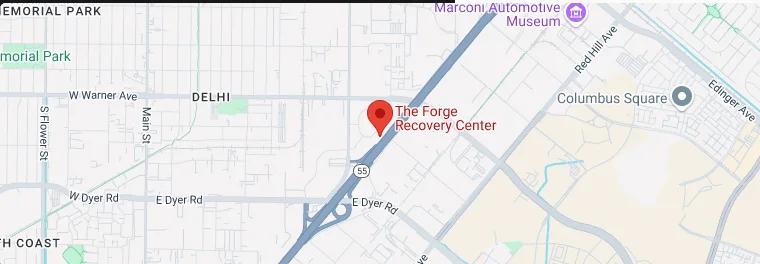
5. Centrally Located in Southern California
We are easily accessible to clients from Los Angeles, Orange County, and the surrounding areas. Our facility offers a safe, peaceful space where you can focus on getting better.
6. Insurance-Friendly and Admissions Support
We accept most major PPO insurance plans and guide you through the admissions process, including verifying benefits and helping with paperwork to reduce stress from day one.
Choosing The Forge Recovery Center means choosing a team that believes in your ability to recover and is ready to walk beside you every step of the way.
Conclusion: Real Recovery Starts with Integrated Support
Recovery is possible when both the mind and body are treated together. If you’re searching for dual diagnosis treatment centers in Southern California, The Forge Recovery Center offers compassionate, evidence-based care tailored to your unique needs. Whether you're battling anxiety, trauma, depression, or addiction, or all of the above, we’re here to support your healing every step of the way.
You don’t have to face this alone. Reach out today and let us help you build a personalized recovery plan that works for you or your loved one.
Are You Struggling with Mental Health or Addiction?
We Can Help. Call Us Now!
CALL: 877-839-1772