DBT Therapy Irvine


Find expert care with DBT Therapy Irvine. Our licensed therapists provide evidence-based treatment to help manage emotions, behaviors, and relationships.


Living with intense emotions, destructive behaviors, or ongoing mental health struggles can feel exhausting and isolating. Finding the right support is crucial, and DBT Therapy Irvine offers a proven path toward stability. Dialectical Behavior Therapy (DBT) is an evidence-based, structured approach that helps people regulate emotions, build healthier relationships, and manage destructive patterns. In Irvine, licensed DBT therapists provide compassionate, professional care tailored to your needs.
At The Forge Recovery Center, we are committed to guiding you toward lasting recovery. In this article, we will explore how DBT therapy near me can provide lasting change and emotional stability.
Understanding DBT Therapy

Dialectical Behavior Therapy (DBT) is a structured, evidence-based treatment that blends acceptance with change to support lasting emotional stability.
1. Developed by Dr. Marsha Linehan
DBT was created in the late 1980s by psychologist Dr. Marsha Linehan. She sought a way to better support people experiencing overwhelming emotions and patterns of self-destructive behavior.
2. Built on Cognitive Behavioral Therapy (CBT)
DBT is rooted in Cognitive Behavioral Therapy, which focuses on identifying and changing unhelpful thought patterns. What makes DBT unique is the integration of mindfulness and acceptance strategies. These additions help clients not only challenge negative thinking but also cultivate awareness and self-compassion.
3. Designed for Borderline Personality Disorder
DBT was originally developed to help individuals with borderline personality disorder. Many of these clients struggled with chronic suicidal thoughts, severe mood swings, and difficulty regulating emotions. Traditional therapies often fell short, but DBT provided a practical, skills-based approach that addressed their immediate needs while promoting long-term change.
4. Expanded Use Across Mental Health Conditions
Over time, DBT has been adapted for a wide range of conditions. It is now used to treat depression, post-traumatic stress disorder, eating disorders, and anxiety. It has also become a valuable tool in substance abuse treatment, where it helps individuals manage triggers, reduce relapse risk, and rebuild healthier coping mechanisms.
5. A Flexible, Client-Centered Therapy
Because of its structured skills training and focus on real-world application, DBT can be adapted to meet the unique needs of diverse clients, making it widely effective in today’s mental health care.
DBT’s growth from a specialized treatment to a versatile therapy reflects its proven ability to create meaningful, lasting recovery.
Key Components of DBT
Dialectical Behavior Therapy (DBT) combines structure and support to help clients practice skills while receiving consistent guidance from trained professionals.
1. Individual Therapy Sessions
One-on-one sessions allow clients to work closely with a DBT therapist to address personal challenges, set goals, and track progress. These sessions provide tailored support while reinforcing the practical application of DBT skills in everyday life.
2. Group Skills Training
Group settings focus on teaching the four core DBT skill areas: mindfulness, distress tolerance, emotion regulation, and interpersonal effectiveness. Learning in a group encourages accountability, provides peer support, and gives clients the chance to practice new skills in a safe environment.
3. Phone Coaching Between Sessions
Life does not pause between therapy appointments. DBT includes phone coaching to offer real-time guidance when clients face crises or high-stress situations. This immediate access helps individuals apply DBT skills effectively when they need them most.
4. Therapist Consultation Teams
DBT therapists also receive support through consultation teams. These teams meet regularly to share strategies, refine approaches, and ensure consistent, high-quality care. This structure allows therapists to stay engaged and effective while maintaining a client-centered focus.
Together, these components create a comprehensive treatment model that addresses both immediate needs and long-term growth. By combining individual attention, group learning, and ongoing support, DBT offers a powerful framework for lasting recovery.
Are You Struggling with Mental Health or Addiction?
We Can Help. Call Us Now!
CALL: 877-839-1772
Skills Taught in DBT Therapy

DBT focuses on building practical skills that empower individuals to manage emotions, reduce harmful behaviors, and improve relationships.
1. Mindfulness
Mindfulness helps clients stay grounded in the present moment. By observing thoughts, emotions, and physical sensations without judgment, individuals learn how to respond calmly instead of reacting impulsively. This awareness is key to breaking cycles of destructive behavior.
2. Distress Tolerance
In moments of crisis, distress tolerance skills allow clients to cope without making the situation worse. Techniques like self-soothing, distraction, and grounding help people endure painful emotions safely until the intensity subsides. These strategies build resilience and reduce harmful responses.
3. Emotion Regulation
DBT teaches practical tools for identifying emotional triggers, reducing vulnerability, and increasing positive experiences. By learning how emotions work and practicing healthier responses, clients gain greater control over mood swings and emotional instability. This skill fosters long-term stability and balance.
4. Interpersonal Effectiveness
Healthy relationships are essential for recovery. DBT provides communication techniques that help clients express needs, set boundaries, and resolve conflicts constructively. These tools strengthen connections and create supportive, respectful relationships that aid healing.
Together, these skills form the foundation of DBT therapy, equipping clients with practical strategies they can use every day. Practicing them consistently helps individuals build confidence, stability, and healthier lives.
Why Choose Licensed DBT Therapists in Irvine
Finding the right therapist is essential to ensuring that DBT treatment is both safe and effective. Licensed professionals in Irvine bring expertise and cultural awareness to their care.
1. Importance of Professional Training and Certification
DBT is a specialized therapy that requires extensive training. Licensed DBT therapists are certified in evidence-based practices and follow structured treatment protocols. Their professional background ensures clients receive consistent, high-quality care tailored to their individual needs.
2. Irvine’s Community Resources and Cultural Inclusivity
Irvine is a diverse and thriving city with a wide range of cultural communities. Licensed DBT therapists in Irvine integrate cultural sensitivity into their work, ensuring therapy respects each client’s values and background. This inclusivity makes DBT more accessible and relatable, especially for individuals who may have felt overlooked in traditional therapy models.
3. Why People Are Searching for DBT Therapy Near Them
More people in Irvine are seeking DBT because of its reputation for effectiveness in treating emotional and behavioral challenges. The phrase “DBT therapy near me” reflects a growing awareness of the need for accessible, local options. Residents want treatment that is convenient, evidence-based, and personalized to their lives.
Choosing a licensed DBT therapist in Irvine ensures you receive care that is professional, culturally informed, and tailored to long-term recovery. This combination builds trust and lays the foundation for meaningful change.
Are You Struggling with Mental Health or Addiction?
We Can Help. Call Us Now!
CALL: 877-839-1772
Benefits of DBT Therapy for Mental Health and Recovery
DBT therapy provides evidence-based tools that not only reduce harmful behaviors but also support lasting emotional stability and stronger connections.
1. Reduced Suicidal Ideation and Self-Harm
DBT was originally designed to address suicidal thoughts and self-destructive behaviors. Through distress tolerance and mindfulness skills, clients learn healthier ways to manage emotional pain, leading to a significant reduction in self-harm.
2. Better Management of Co-Occurring Disorders
Many people face more than one challenge at a time, such as addiction, depression, or PTSD. DBT is effective in treating co-occurring disorders by teaching coping strategies that address both mental health symptoms and substance use triggers.
3. Stronger Coping Mechanisms and Resilience
DBT emphasizes skill-building that equips clients to handle life’s difficulties with greater resilience. From grounding exercises during crises to long-term emotion regulation techniques, these tools create a stronger foundation for recovery.
4. Improved Relationships and Communication Skills
Unstable relationships often worsen mental health struggles. DBT teaches communication skills that help individuals set boundaries, express needs, and resolve conflicts constructively. Healthier connections reduce stress and strengthen recovery.
By addressing both emotional and behavioral challenges, DBT empowers clients to build healthier, more stable lives. It is a therapy designed not only for recovery but for long-term growth and well-being.
How DBT Complements Other Therapies
DBT is highly effective on its own, but it becomes even more powerful when combined with other evidence-based treatments in a comprehensive care plan.
1. Combining DBT with CBT, Trauma Therapy, or Medication Management
While DBT focuses on emotion regulation and coping skills, Cognitive Behavioral Therapy addresses unhelpful thought patterns. Trauma therapies help clients process past experiences, and medication management can stabilize mood or reduce symptoms. Together, these approaches create a balanced and individualized path to healing.
2. Role of DBT in Integrated Treatment for Substance Use and Mental Health
Addiction often overlaps with conditions like depression, anxiety, or PTSD. In integrated treatment programs, DBT provides practical tools for resisting urges, managing emotional triggers, and preventing relapse. By addressing both mental health and substance use, clients gain a stronger foundation for recovery.
3. Holistic Healing Through Multi-Disciplinary Approaches
The most effective recovery programs involve multiple disciplines working together. Therapists, psychiatrists, and addiction specialists collaborate to provide care that addresses the whole person. DBT plays a central role in this process by giving clients real-world skills to use alongside other therapeutic methods.
When combined with complementary therapies, DBT offers a holistic, client-centered approach that supports long-term stability and growth. This integration ensures that recovery is not just about reducing symptoms but about creating a healthier and more fulfilling life.
Are You Struggling with Mental Health or Addiction?
We Can Help. Call Us Now!
CALL: 877-839-1772
DBT Therapy at The Forge Recovery Center
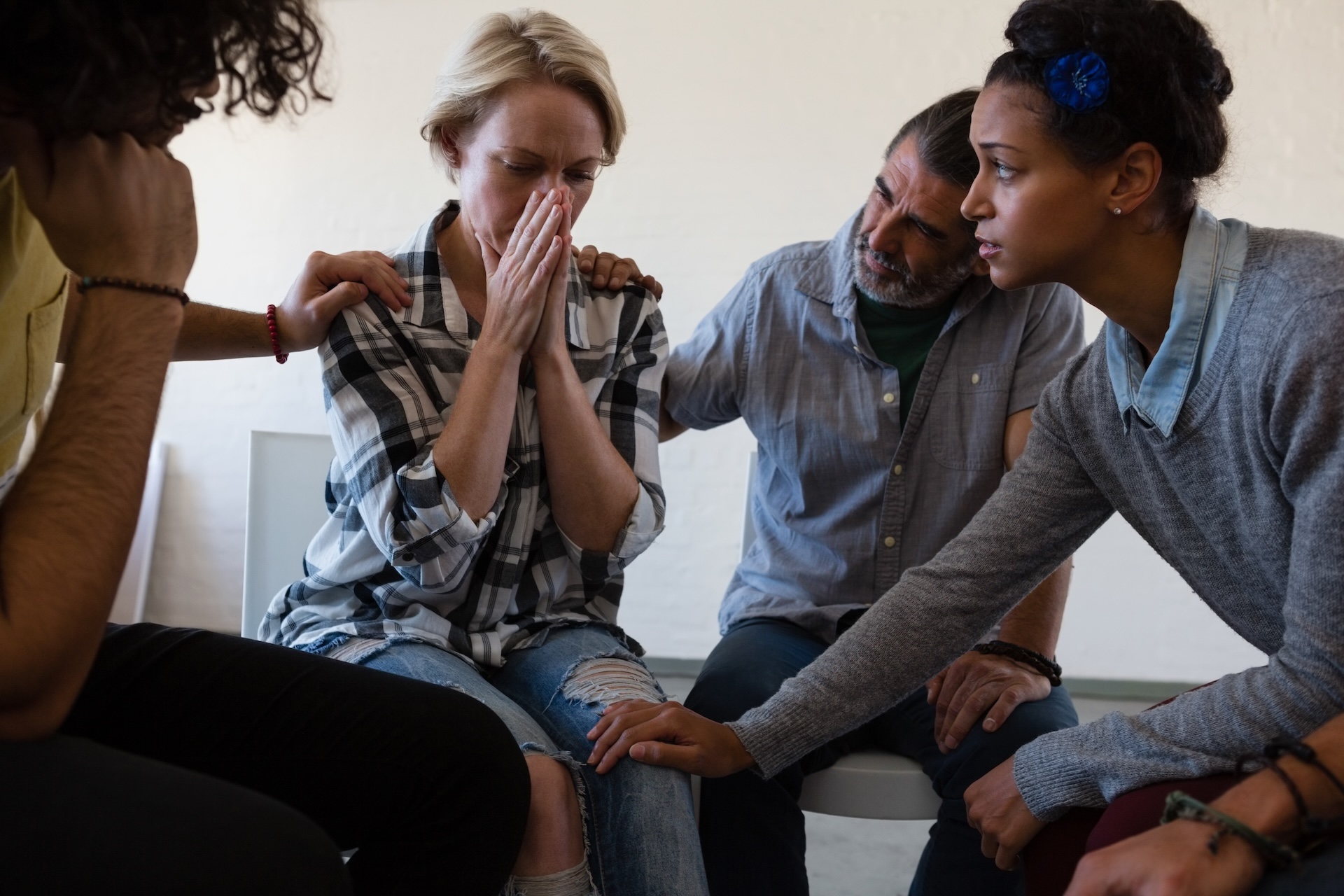
At The Forge Recovery Center in Irvine, DBT therapy is delivered with expertise, compassion, and a commitment to long-term healing.
1. Licensed Therapists Specializing in DBT
Our team includes licensed professionals trained specifically in Dialectical Behavior Therapy. Their advanced knowledge ensures clients receive care that is evidence-based, structured, and effective.
2. Personalized Treatment Plans
Every person’s recovery journey is different. We create individualized DBT treatment plans tailored to each client’s emotional challenges, goals, and life circumstances. This personalization makes therapy more relevant and impactful.
3. Compassionate Care and Evidence-Based Support
At The Forge Recovery Center, we provide a safe and understanding environment. Our therapists use proven DBT techniques while offering compassionate support, helping clients feel both guided and respected throughout their recovery.
4. Focus on Long-Term Recovery and Relapse Prevention
True healing goes beyond short-term relief. Our programs emphasize relapse prevention by teaching DBT skills that clients can apply in daily life. These skills build resilience and prepare individuals for long-lasting stability.
By combining specialized DBT expertise with personalized, compassionate care, The Forge Recovery Center helps clients move beyond immediate struggles and build the foundation for a healthier future.
Conclusion: DBT Therapy Can Change Your Life
DBT therapy is a proven approach that helps individuals manage emotions, strengthen relationships, and move toward lasting recovery. At The Forge Recovery Center in Irvine, we understand how difficult it can be to take the first step, which is why we offer compassionate, licensed DBT care tailored to your needs. With the right tools and support, you or your loved one can build resilience and a healthier future.
If you’re searching for DBT therapy near you in Irvine, contact The Forge Recovery Center today to begin your path to recovery.
Are You Struggling with Mental Health or Addiction?
We Can Help. Call Us Now!
CALL: 877-839-1772