Cocaine Addiction Treatment in Los Angeles


Get expert, compassionate cocaine addiction treatment Los Angeles residents can trust. Discover personalized care plans and proven support for lasting recovery and healing.


Cocaine use can spiral quickly; what may start as occasional use can turn into a relentless cycle of cravings, crashes, and consequences. If you’re searching for cocaine addiction treatment in Los Angeles, you’ve already taken a brave step toward recovery.
At The Forge Recovery Center, we understand how isolating addiction can feel, but you don’t have to face it alone. Our team offers compassionate, evidence-based care tailored to your specific needs. In this article, we will explore the warning signs of cocaine addiction, treatment options available in the Los Angeles area, and how to begin your journey toward lasting recovery.
Understanding Cocaine Addiction
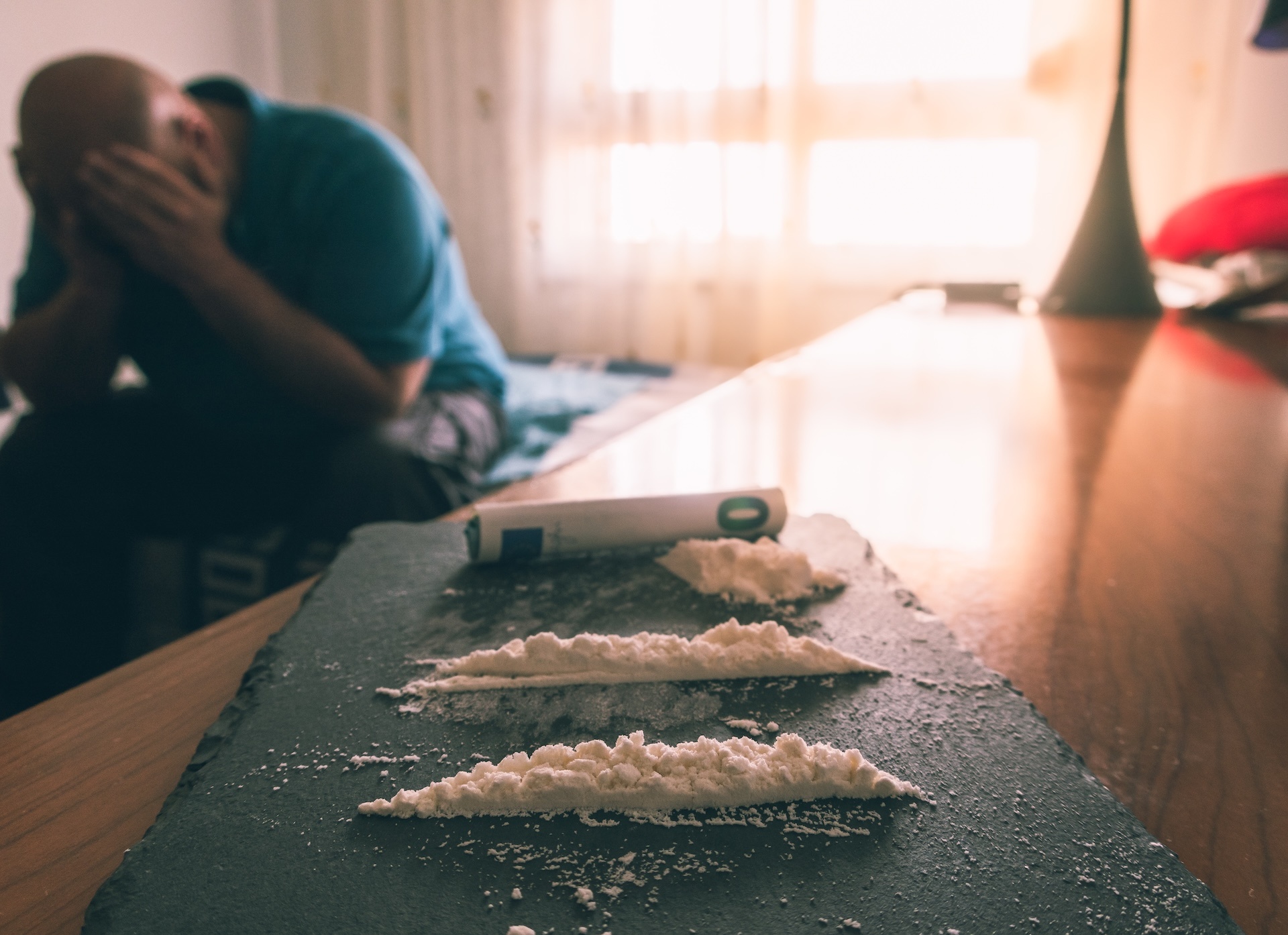
Cocaine addiction is more than just a bad habit; it’s a complex, chronic condition that affects the brain, body, and behavior. Here’s what you need to know about how it develops and why treatment is essential:
1. Cocaine is a powerful stimulant
Cocaine increases dopamine levels in the brain, creating a rush of euphoria, confidence, and energy. These effects are short-lived, often followed by anxiety, restlessness, or irritability as the drug wears off.
2. It alters brain chemistry
With repeated use, the brain starts to rely on cocaine to release dopamine. Over time, natural reward systems become less effective, and users feel unable to experience pleasure or focus without the drug.
3. Cravings and withdrawal keep the cycle going
When the high fades, intense cravings and emotional lows take over. Users may feel depressed, exhausted, or anxious, which pushes them to use again just to feel “normal.”
4. It’s a chronic, relapsing disorder
Cocaine addiction is not about a lack of willpower. Like other substance use disorders, it changes how the brain functions. Without targeted treatment, relapse is common—even after periods of abstinence.
5. Short- and long-term health risks
Cocaine use increases the risk of heart attack, stroke, seizures, and respiratory failure. Long-term effects can include paranoia, hallucinations, depression, and cognitive decline.
6. Life consequences stack up
Addiction doesn’t only affect your health. Many people experience job loss, relationship breakdowns, financial strain, or legal trouble due to their cocaine use.
At The Forge Recovery Center, we understand the science and struggle behind addiction. If you or a loved one is seeking cocaine addiction treatment in Los Angeles, we’re here to help you break the cycle and rebuild your life.
Signs It’s Time for Cocaine Addiction Treatment

It’s not always easy to recognize when cocaine use has crossed the line into addiction. If you’re unsure whether it’s time to seek help, the following signs can provide clarity:
1. Using more than planned or being unable to stop
You may start with the intention to use “just a little,” but end up bingeing or using longer than expected. If stopping feels impossible, that’s a key warning sign.
2. Intense cravings or mood swings between uses
Irritability, restlessness, or depression when you’re not using cocaine are signs your brain has become dependent. Cravings often grow stronger over time and make it hard to focus on anything else.
3. Risk-taking, legal trouble, or job loss
Cocaine can lead to impulsive behavior. If you’ve driven under the influence, spent money you didn’t have, or gotten in trouble at work or with the law, it’s time to reevaluate your relationship with the drug.
4. Anxiety, insomnia, or emotional crashes
When you’re not using, you might feel anxious, struggle to sleep, or spiral into a low emotional state. These symptoms are part of cocaine withdrawal and indicate your brain is no longer functioning normally without it.
5. Neglecting responsibilities and relationships
If you’ve started missing work, avoiding family, or ignoring your health and hygiene, cocaine may be taking priority over every other part of your life.
6. Failed attempts to quit
Trying to stop on your own and relapsing repeatedly is one of the clearest signs that professional help is needed.
Are You Struggling with Mental Health or Addiction?
We Can Help. Call Us Now!
CALL: 877-839-1772
What to Expect From Cocaine Addiction Treatment in Los Angeles
Cocaine addiction treatment in Los Angeles is designed to address both the physical and psychological sides of addiction. Here's what you can expect from a structured, evidence-based program:
1. Assessment and intake
Your journey begins with a clinical evaluation to determine the level of care you need. This includes a mental health screening to identify any co-occurring disorders like anxiety, depression, or PTSD.
2. Detox and stabilization
Although cocaine detox doesn’t typically involve life-threatening symptoms, it can be emotionally intense. Medical support helps manage sleep problems, mood swings, appetite issues, and severe cravings during early recovery.
3. Inpatient or residential rehab
For moderate to severe addiction, inpatient rehab offers round-the-clock care in a supportive, drug-free environment. You’ll participate in daily therapy sessions, wellness routines, and relapse prevention education.
4. Outpatient programs (IOP, OP, PHP)
These flexible options allow you to receive therapy while living at home or in sober housing. Outpatient care is ideal for people transitioning from inpatient rehab or those with strong personal support systems.
5. Evidence-based therapies
Cocaine addiction is treated using proven methods like Cognitive Behavioral Therapy (CBT), Dialectical Behavior Therapy (DBT), motivational interviewing, and trauma therapy. Group therapy and family involvement are also key parts of recovery.
6. Medication and psychiatric support
While no medication specifically treats cocaine addiction, psychiatric support may include antidepressants, anti-anxiety medication, or sleep aids to stabilize mood and reduce relapse risk.
Dual Diagnosis and Mental Health Support

Cocaine addiction rarely exists in a vacuum. Many individuals also struggle with underlying mental health conditions that fuel or worsen substance use. That’s where dual diagnosis treatment becomes essential.
1. Anxiety disorders
Cocaine can temporarily relieve anxiety, but over time, it increases nervousness, panic, and restlessness. Treating anxiety alongside addiction helps reduce the urge to self-medicate and builds healthier coping tools.
2. Depression
The emotional crash after cocaine use can deepen existing depression. If left untreated, these symptoms often trigger relapse. Therapy and, when appropriate, medication can stabilize mood and support long-term healing.
3. PTSD and trauma
Many people use cocaine to escape the effects of unresolved trauma. Trauma-informed care helps individuals safely process painful experiences while building a stable, sober foundation.
4. ADHD and bipolar disorder
Cocaine’s stimulating effects can feel helpful for focus or energy, especially for people with ADHD or bipolar symptoms. But it ultimately worsens mood swings, impulsivity, and emotional regulation without proper clinical support.
5. Why dual diagnosis matters
Treating addiction without addressing mental health conditions often leads to relapse. True recovery requires a full picture of what drives substance use and support for both mind and body.
6. Look for integrated care
Dual diagnosis programs involve licensed professionals trained in both addiction treatment and mental health care. They provide coordinated therapy, medication management, and personalized plans that address every layer of your experience.
At The Forge Recovery Center, we specialize in dual-diagnosis support as part of our cocaine addiction treatment Los Angeles programs. Our team is here to help you heal on every level: physically, emotionally, and mentally.
Are You Struggling with Mental Health or Addiction?
We Can Help. Call Us Now!
CALL: 877-839-1772
How The Forge Recovery Center Helps with Cocaine Addiction
At The Forge Recovery Center, we know that breaking free from cocaine addiction requires more than just willpower. Our team offers expert, compassionate care designed to support each client’s full journey to recovery.
1. Personalized treatment plans
We begin by understanding your history, goals, and challenges. From there, we design a treatment plan tailored specifically to your needs because no two recoveries are the same.
2. Strong focus on mental health and relapse prevention
We integrate mental health support into every stage of treatment. Whether you're dealing with anxiety, depression, or trauma, we address it alongside addiction to reduce the risk of relapse.
3. Multiple levels of care
We offer a full range of outpatient services, including Intensive Outpatient (IOP) and Partial Hospitalization Programs (PHP). These allow for flexibility while providing structure, therapy, and accountability.
4. Detox and inpatient partnerships
If detox or inpatient care is needed, we coordinate with trusted partners to ensure your treatment begins smoothly and transitions seamlessly into ongoing care at our center.
5. Safe, supportive environment
Our facility is designed to feel welcoming and judgment-free. You’ll work with licensed clinicians who specialize in addiction recovery and understand how to support you every step of the way.
6. Aftercare and alumni support
Long-term recovery doesn’t stop when treatment ends. We offer ongoing therapy, alumni groups, and life-skills support to help you stay connected, confident, and focused on your goals.
If you’re seeking expert cocaine addiction treatment in Los Angeles, The Forge Recovery Center is ready to help. From first call to long-term success, we’re here for you.
Conclusion: Real Recovery Is Possible in Los Angeles
Cocaine addiction can take everything from you, but with the right support, you can rebuild. Whether you're looking for detox, inpatient care, or outpatient programs, expert cocaine addiction treatment in Los Angeles is within reach.
At The Forge Recovery Center, we offer compassionate, personalized care that meets you where you are and helps you move forward. You don’t have to face this alone. Reach out today for a confidential consultation and take the first step toward a healthier, drug-free future. Recovery starts now—and we’re ready to walk with you every step of the way.
Are You Struggling with Mental Health or Addiction?
We Can Help. Call Us Now!
CALL: 877-839-1772